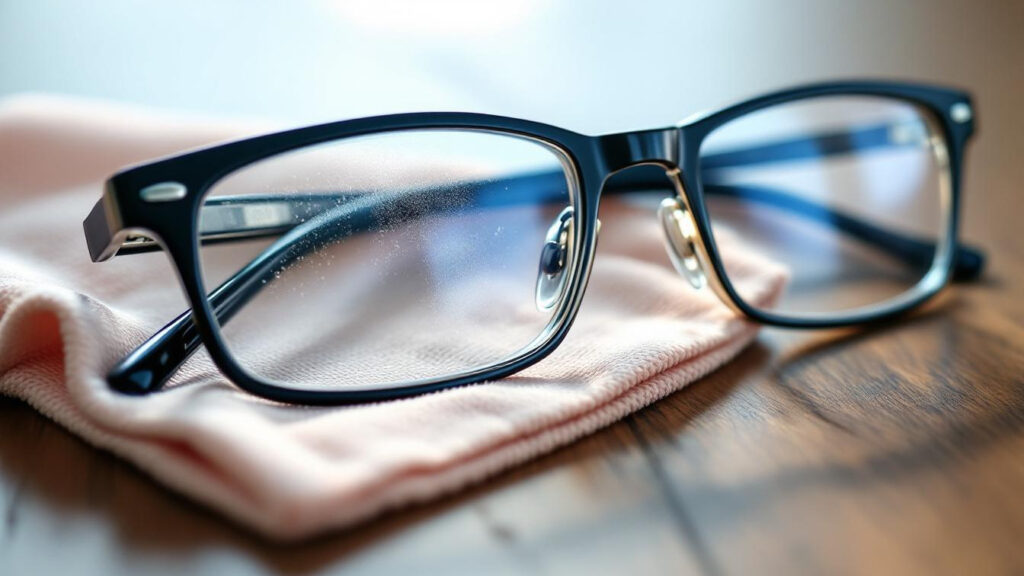

For anyone who wears glasses, the struggle against dirty lenses can feel relentless. Even after investing in expensive cleaning cloths, those pesky lens smudges often persist, leaving you questioning their cleaning effectiveness. The truth is, multiple factors contribute to this frustrating phenomenon. Dust and oils naturally accumulate on lenses throughout the day, and even the most high-quality cloths may not be sufficient if the right techniques aren’t applied. Understanding why glasses get dirty so quickly and implementing proper cleaning techniques can dramatically improve your eyewear experience, allowing for a clearer view of the world around you.
Understanding Why Glasses Get Dirty
Everyday activities contribute to the rapid accumulation of grime on your glasses. Simply wearing them leads to oils from your skin and environmental pollutants sticking to the lenses. Unbeknownst to many, the way glasses are handled plays a significant role in this process. Touching the lenses directly spreads oils and dirt, compounding the problem. When environmental factors such as humidity and dust come into play, it becomes clear why maintaining cleanliness feels like an uphill battle.
Essential Materials for Effective Lens Care
The materials used for cleaning significantly impact the outcome. Here’s a quick list of essentials to ensure your glasses stay clear:
- Microfiber cloth: Designed specifically for lenses to avoid scratches.
- Lens cleaning solution: An alcohol-free option that’s safe for coatings.
- Gentle dish soap: Non-moisturizing to help break down grease.
- Lukewarm water: Helps rinse away debris without damage.
- Cotton swabs: Perfect for cleaning hard-to-reach areas.
Step-by-Step: Proper Glass Cleaning Techniques
Implementing a structured cleaning routine can make a huge difference:
- Rinse with Water: Start by rinsing your glasses under lukewarm water to eliminate dust and debris that could scratch the lenses during cleaning.
- Apply Soap: Use a drop of gentle dish soap on your fingertips to lightly scrub both sides of the lenses and the frames.
- Rinse Thoroughly: Ensure all soap residue is washed away, as leftover soap can leave streaks.
- Dry with a Microfiber Cloth: Gently dry your glasses to prevent lint and scratches.
Maximizing the Lifespan of Clean Glasses
There are several ways to keep your glasses cleaner for a longer duration:
- Avoid Touching the Lenses: Handle glasses by the arms rather than the lenses to prevent additional smudges.
- Invest in Protective Coatings: Lenses with anti-reflective and smudge-resistant coatings can significantly reduce dirt accumulation.
- Use a Protective Case: Store your glasses in a case when not in use to shield them from dust.
- Regular Cleaning: Quick wipes with a microfiber cloth can prevent dust and oil buildup.
- Avoid Dusty Environments: If possible, wear protective goggles in such areas.
- Prevent Fogging: Use an anti-fog spray or a light layer of dish soap to keep lenses clear in humid conditions.
Avoiding Common Mistakes in Glass Cleaning
Many cleaning practices can inadvertently make your lenses dirtier:
- Harsh Cleaners: Stay away from ammonia or bleach-based products that can harm lens coatings.
- Tissues or Paper Towels: These can leave lint or cause micro-scratches, worsening the situation.
- Skipping Regular Maintenance: Neglecting to clean lenses regularly can make future cleaning more difficult.
Extra Tips for Long-lasting Lens Clarity
For optimal maintenance, keep these tips in mind:
- Frequently clean the nose pads and frames using cotton swabs dipped in soapy water.
- Inspect and tighten any loose screws to maintain the structure of your glasses.
- Regularly wash or replace microfiber cloths, as dirty cloths can scratch lenses over time.