
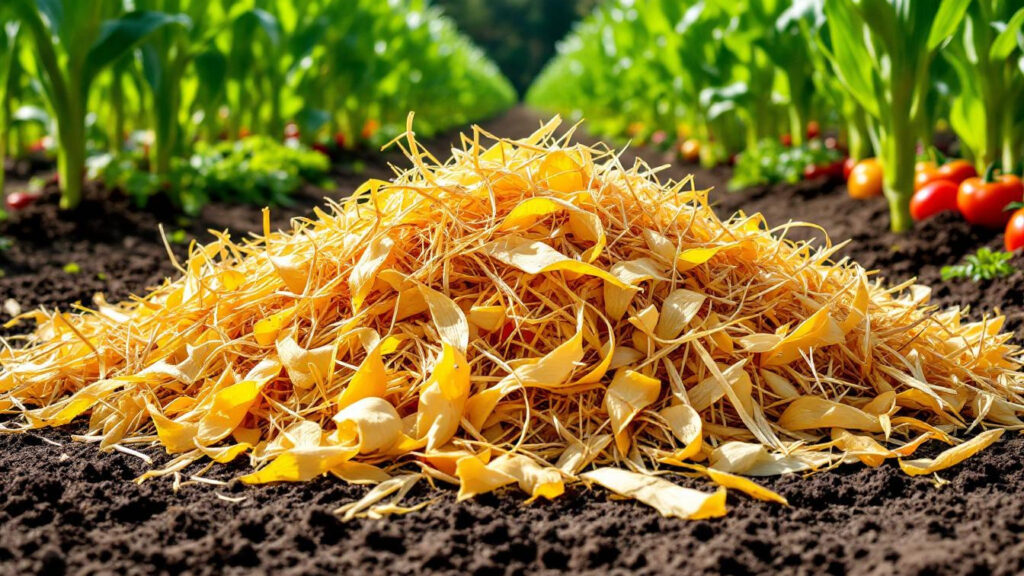

In a world where gardening enthusiasts are constantly searching for cost-effective and sustainable solutions, the use of harvest leftovers has emerged as a game changer. Instead of relying on expensive fertilizers that often contribute to environmental degradation, many gardeners are turning towards the treasures tucked away in their kitchens and compost bins. These organic materials not only nourish the soil but also enhance soil health, promote plant growth, and support sustainable farming practices. As inflation continues to impact household budgets, the benefits of recycling kitchen scraps and yard waste into organic fertilizers have never been clearer. By adopting these techniques, gardeners can build a thriving ecosystem right in their backyards.
Experts agree that composting at home provides a more holistic approach than purchasing chemical fertilizers. While store-bought options promise quick fixes, they often lack the long-term benefits that natural solutions offer. From kitchen scraps like banana peels and coffee grounds to yard waste, these crop residues serve as powerful allies in gardening. Not only do they reduce waste, but they also eliminate concerns about the rising prices of commercial fertilizers. The shift towards nutrient recycling via composting represents a significant step towards environmentally friendly gardening. Gardners today are not just growing plants; they are cultivating an approach that respects the earth and its resources.
Transforming Kitchen Scraps into Garden Gold
Many common kitchen leftovers are nutrient-rich and can outperform their commercial counterparts. Here are some standout options to consider:
- Banana Peels: Packed with potassium and magnesium, bury these peels to strengthen flowering and root development.
- Coffee Grounds: Rich in nitrogen, they aerate the soil and benefit acid-loving plants like blueberries and roses.
- Eggshells: Provide calcium and combat soil acidity when crushed and added to the soil.
- Vegetable Scrap Broth: Create a nourishing liquid from boiled vegetable scraps that can be poured directly into the garden.
- Used Tea Leaves: Improve soil structure and retain moisture while providing essential nutrients.
- Onion Skins: These contain potassium and calcium that enhance plant health and disease resistance.
- Citrus Peels: Full of nitrogen and phosphorus, they improve soil quality and deter pests.
- Potato Water: When cooled, this nutrient-rich water serves as a gentle fertilizer for plants.
Understanding the Cost-Effectiveness of Composting
The long-term financial benefits of home composting versus purchasing fertilizer are striking. While the initial cost of setting up a compost system might seem high, the investment pays off quickly. Once established, composting requires minimal additional expenses, especially compared to the recurring costs of buying chemical fertilizers. Each season, the need for fertilizers can add up, whereas a well-maintained compost bin continues to yield rich, organic fertilizer without additional purchases.
As the economy fluctuates and prices rise, the reliability of composting remains unaffected. Home composting utilizes free materials that many already have on hand, making it a cost-effective alternative that aligns with eco-friendly values. Studies show that compost improves soil structure, supports microbial life, and enhances the overall health of the garden.
Steps to Start Composting at Home
Transitioning to home composting is easier than one might think. Here are key steps to get started:
- Choose a Composter: Select a compost bin or create a DIY version using scrap materials.
- Gather Materials: Collect kitchen scraps and yard waste, ensuring a balance of greens (nitrogen) and browns (carbon).
- Maintain the Mix: Keep the compost moist and aerate it occasionally to speed up decomposition.
- Monitor Progress: Regularly check the compost’s temperature and moisture levels for optimal breakdown.
- Use the Finished Compost: Once ready, use the nutrient-rich compost to enrich your garden soil.
Embracing Sustainable Practices for a Healthier Future
As gardeners continue to explore innovative ways to enhance plant growth while reducing waste, the importance of sustainable practices becomes more pronounced. Utilizing harvest leftovers not only promotes a healthier garden but also contributes positively to the environment. Adopting these methods is a proactive way to tackle food waste concerns while fostering a vibrant ecosystem.
The integration of organic materials into gardening routines can reshape how individuals view both gardening and waste. By prioritizing nutrient recycling, every meal prepared can serve as a reminder that waste can transition into resources, benefitting both household gardens and the earth as a whole. As more people recognize the benefits of these natural fertilizers, the movement toward organic, sustainable farming practices is likely to flourish.