
As cold weather draws families indoors, many struggle with persistent allergy symptoms. With the windows shut tight, indoor air quality often suffers, allowing allergens such as dust mites, pet dander, and mold to thrive in the cozy corners of homes. Surprisingly, the key to alleviating these symptoms may lie in a single household habit often overlooked: maintaining a consistent cleaning routine. Establishing this practice can dramatically reduce indoor allergens and enhance overall well-being, leading to fewer allergy flare-ups when stuck inside.
Understanding the Impact of Household Habits on Allergies
Many individuals experience itchy eyes, sneezing, or even coughing due to allergens commonly found indoors. The sources of these irritants are often present in every home: from soft furnishings to damp spaces, allergens flourish in environments with poor ventilation and high humidity. Specifically, dust mites and pet dander reside in bedding, carpets, and upholstery, while mold can thrive in humid areas like bathrooms. Regular cleaning habits play a pivotal role in combating these irritating particles.
Key Sources of Indoor Allergens
- Dust Mites: Microscopic creatures that thrive in bedding, carpets, and upholstery.
- Pet Dander: Skin flakes from pets that can linger in the air and settle on surfaces.
- Mold: Fungi that thrive in damp, humid environments, often found in bathrooms and kitchens.
- Pollen: Can enter homes through open windows or on clothing, complicating indoor allergies.
12 Practical Tips to Reduce Indoor Allergens
Implementing a strategic cleaning routine can significantly diminish the presence of airborne allergens in your home. Here are twelve practical tips that can be easily integrated into your weekly routine:
- Wash Bedding Weekly: Use hot water to kill dust mites hiding in sheets and pillowcases.
- Invest in a HEPA Vacuum: This type of vacuum traps allergens effectively, preventing them from circulating in the air.
- Keep Windows Closed on High-Pollen Days: To maintain a controlled indoor environment, use air conditioning instead.
- Wipe Surfaces Daily: A damp cloth captures dust rather than spreading it, keeping surfaces allergen-free.
- Choose Hypoallergenic Cleaning Products: Gentle, scent-free cleaners can avoid triggering further allergic reactions.
- Deep-Clean Soft Surfaces: Regularly wash or steam-clean curtains and upholstered furniture to remove allergens.
- Establish a “No Shoes” Policy: Prevent outdoor allergens from entering by removing shoes at the door.
- Minimize Clutter: Fewer items around the home mean fewer surfaces for allergens to settle.
- Brush Pets Outside: Keep pet dander to a minimum by grooming furry friends outdoors.
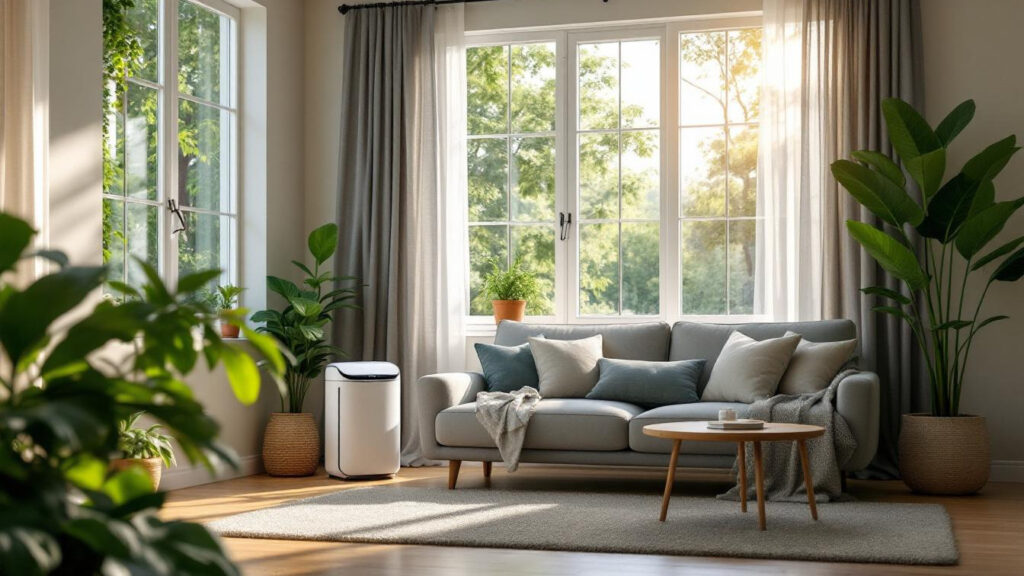
- Utilize Air Purifiers: HEPA air purifiers in living areas can significantly reduce airborne allergens.
- Seal Cracks in Windows and Doors: Proper sealing prevents allergens from sneaking indoors.
- Weekly Bathroom Mold Cleaning: Regularly scrub bathrooms with vinegar or mold-specific cleaners to prevent growth.
Emphasizing Humidity Control and Ventilation
Controlling humidity is another essential aspect of managing indoor allergens. Dust mites thrive in moist environments, making humidity control vital for allergy sufferers. Utilizing dehumidifiers or ensuring proper ventilation during cooking and showering can help maintain an ideal humidity level and reduce mold growth. Additionally, ensuring consistent ventilation throughout your living space allows fresh air to circulate, further promoting better indoor air quality.
The Benefits of Consistent Cleaning
A consistent cleaning routine not only alleviates symptoms for those with allergies but also contributes to a healthier living environment for everyone in the home. By developing habits that emphasize cleanliness and humidity control, families can enjoy their indoor spaces without the discomfort of allergy symptoms. These small, actionable changes create a significant impact on indoor air quality and overall health.