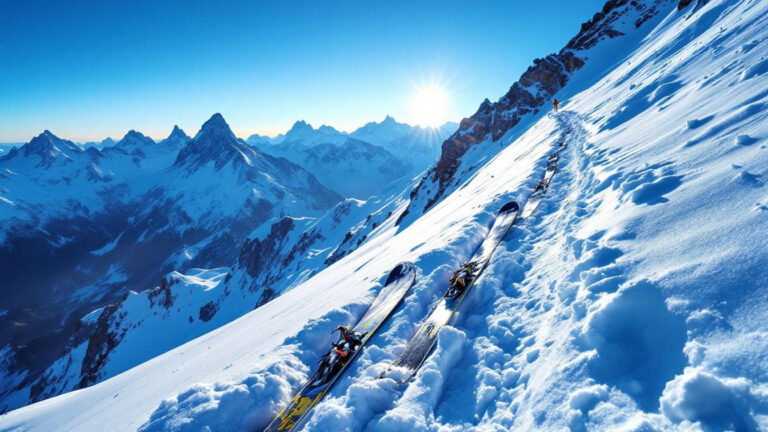
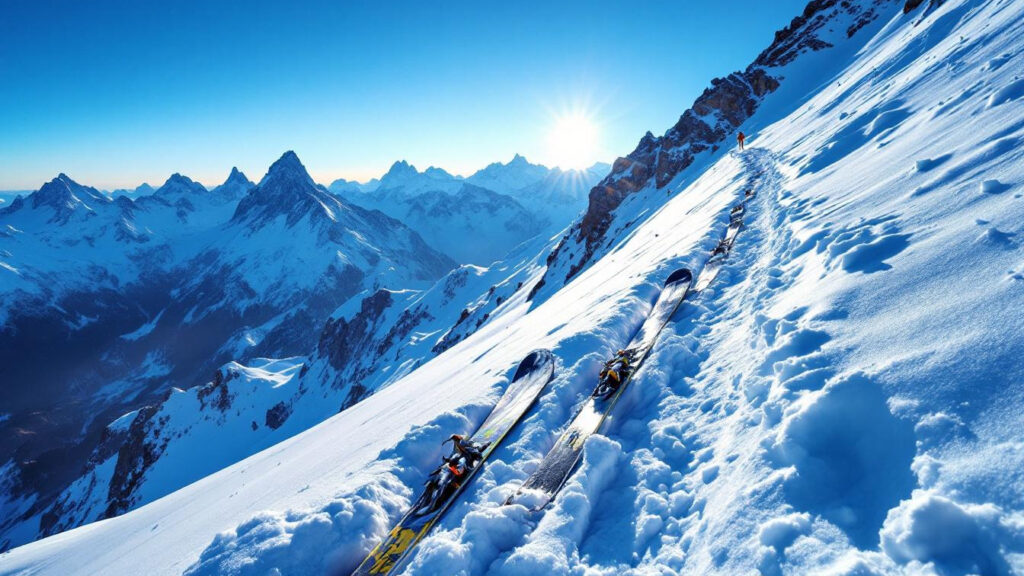

In the high-altitude terrain of winter sports, few activities are as thrilling and dangerous as skimo, or ski mountaineering. This rapidly growing discipline combines the intense challenge of uphill trekking with the exhilaration of skiing downhill, all while navigating the ever-present risks of avalanche and extreme weather. As it makes its Olympic debut at the 2026 Winter Games in Milan-Cortina, many are starting to recognize it as one of the deadliest mountain sports. Unlike traditional skiing, skimo requires athletes to use only their physical strength to ascend mountains, often exposing them to treacherous conditions and significant altitude risks.
Skimo races consist of a series of transitions between climbing on foot and skiing down, demanding a unique blend of endurance and skill. Athletes must tackle steep ascents and intricate descents, often in a race against the clock, where every second counts. The thrill of competition combined with the formidable mountain landscape presents an alluring yet perilous adventure that few can resist, driving enthusiasts to seek the rush that comes with every turn. For those unacquainted, understanding the nuances of skimo could be as vital as knowing the risks involved in this intense sport.
The Allure of Skimo: What Sets It Apart
Ski mountaineering is not merely about skiing; it merges the heart-pounding elements of endurance racing with technical climbing. Athletes ascend mountains on skis fitted with climbing skins—specialized fabrics that ensure grip on steep slopes—before switching to downhill gear to race back down. This unique format includes various disciplines, appealing to adventurers with different preferences: from short sprints to longer endurance challenges. Excitingly, the 2026 Olympics will feature three medal events, including men’s and women’s sprints and a mixed relay, further showcasing the sport’s demand for speed and strategy.
Understanding the Risks: Avalanche and Altitude
While the thrill of skimo captivates many, it is essential to note the inherent dangers present in this sport. Athletes often find themselves in avalanche-prone areas and rugged terrains, where even a minor miscalculation can lead to devastating consequences. Avalanches represent a significant risk during skimo events, requiring participants to be not only skilled skiers but also adequately trained in safety techniques and navigation.
Moreover, the high-altitude environment adds an additional layer of difficulty. Thin air can challenge even seasoned athletes, reducing physical performance and reaction times. Understanding the signs of altitude sickness is critical for anyone partaking in skimo, emphasizing the need for safety protocols and preparation.
Preparing for Skimo: Essential Tips for Beginners
As skimo gains popularity, more enthusiasts are looking for ways to get involved. Here are key preparation tips for prospective skimo athletes:
- Invest in Proper Gear: Ensure you have high-quality skis, climbing skins, and a reliable avalanche safety kit.
- Start Gradually: Begin with shorter, less challenging climbs to build your skills and confidence.
- Understand The Environment: Study the terrain and weather conditions before heading out; awareness of potential avalanche zones is crucial.
- Train for Endurance: Develop cardiovascular and muscular strength through comprehensive training focused on both uphill climbing and downhill skiing.
- Join a Local Community: Connect with experienced skimo enthusiasts or clubs to learn best practices and join group outings for added safety.
Why Skimo Is Worth the Risk
Despite the dangers, the adrenaline rush of skimo is unbeatable. The combination of adventure, athleticism, and the breathtaking scenery can create a profound connection to nature and personal growth. As skimo continues to attract attention, athletes are motivated to push their limits, proving that the thrill of the mountains is worth the risks they take.