
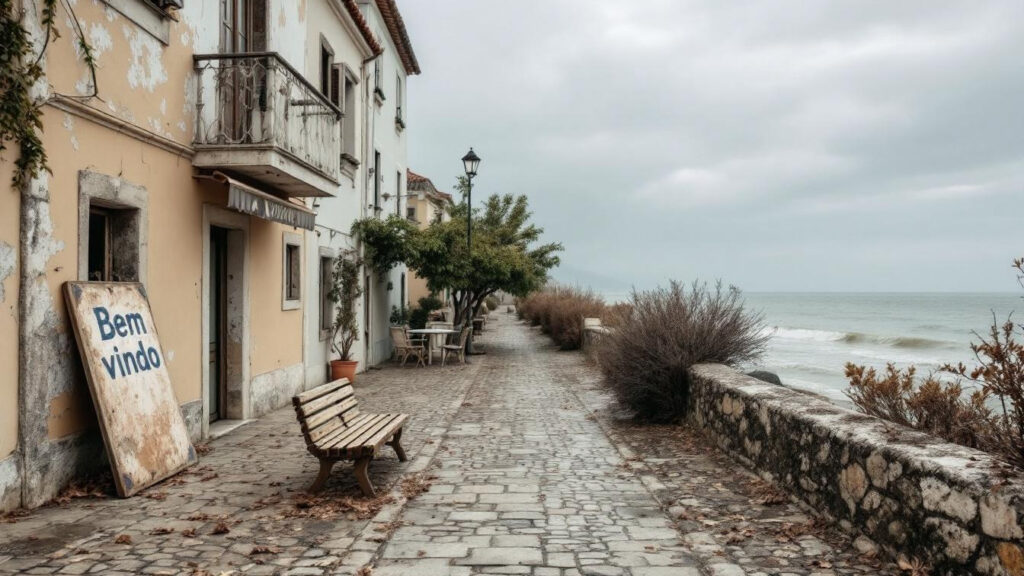

In recent years, Portugal has become a coveted destination for American retirees, renowned for its stunning coastlines, vibrant culture, and affordable cost of living. However, an increasing number of these expatriates are finding their dream retirement less than idyllic, leading to an unexpected trend: many are packing their bags and heading back to the United States. As the Portuguese landscape evolves, retirees face mounting bureaucratic challenges, rising costs, and shifting social dynamics that complicate their experience.
The narrative of Portugal as a permanent paradise is unfolding into a more complicated tale. Factors ranging from recent taxation changes to healthcare complications are forcing retirees to reassess their once-sunny outlook. While the country remains a prized place for its charm and scenery, challenges such as housing costs and administrative hurdles can quickly tarnish its appeal. Understanding these issues sheds light on why an increasing number of retirees are opting for stability back in the United States.
The Impact of Recent Policy Shifts on Expatriates in Portugal
Portugal’s political landscape has undergone significant changes, especially with the election of a center-right government. This shift has influenced key policies that attracted retirees in the first place. One notable change is the cancellation of the Non-Habitual Resident (NHR) tax regime, which previously facilitated favorable tax treatment for newcomers. This alteration leaves many retirees exposed to higher tax rates, disrupting their financial plans and prompting some to reconsider their stay.
The Burden of Bureaucracy and Administrative Challenges
Bureaucratic challenges further complicate the lives of American retirees. Difficulties with obtaining necessary documentation can lead to frustration and delay. Many retirees report waiting months for residency permits or essential healthcare services. Such hurdles can transform the excitement of a new life into a tedious administrative nightmare, leading to weariness and, ultimately, departures.
Cost of Living and Real Estate Pressures
Rising housing costs add another layer of complexity for retirees. While Portugal was once seen as a bastion of affordability in Europe, the real estate market has shifted dramatically. Rentals, particularly in popular urban centers like Lisbon and Porto, have surged, forcing many expatriates to reevaluate their budgets. What was once a financially attractive relocation has morphed into a daunting challenge, prompting some to return to the familiarity of the U.S. housing market.
Healthcare Navigation: Balancing Two Systems
Healthcare remains a critical concern for retirees adjusting to life in Portugal. While the public healthcare system is generally well-regarded, access can be uneven, with long wait times for specialists. Many retirees discover that their Medicare plans do not offer comprehensive coverage abroad, leading to confusion and unexpected expenses. This dual-system approach requires careful planning and can create significant stress, especially when medical needs arise.
Cultural Integration and Social Networks
Establishing a social network presents its own challenges. Retirees often find that without a solid local community or comfort with the Portuguese language, loneliness can set in. The transition from visitor to resident is often tougher than imagined. Building relationships in a foreign country requires time and effort, and for some, the absence of familiar social structures results in a feeling of isolation.
Finding Balance: Tips for a Successful Transition in Portugal
- Test the Waters: Before making a permanent move, consider renting for at least a year to gauge comfort and compatibility.
- Healthcare Planning: Establish relationships with local healthcare providers early and understand your coverage options thoroughly.
- Build Community: Engage in local clubs or language classes to foster connections that can enhance your experience.
- Bureaucratic Preparedness: Familiarize yourself with local laws and regulations to navigate the necessary paperwork more smoothly.
Portugal remains a beautiful country with a rich culture that many still cherish. However, adapting to its realities requires a pragmatic approach. For retirees weighing their options, it’s essential to consider how these evolving dynamics align with their expectations and long-term goals.