
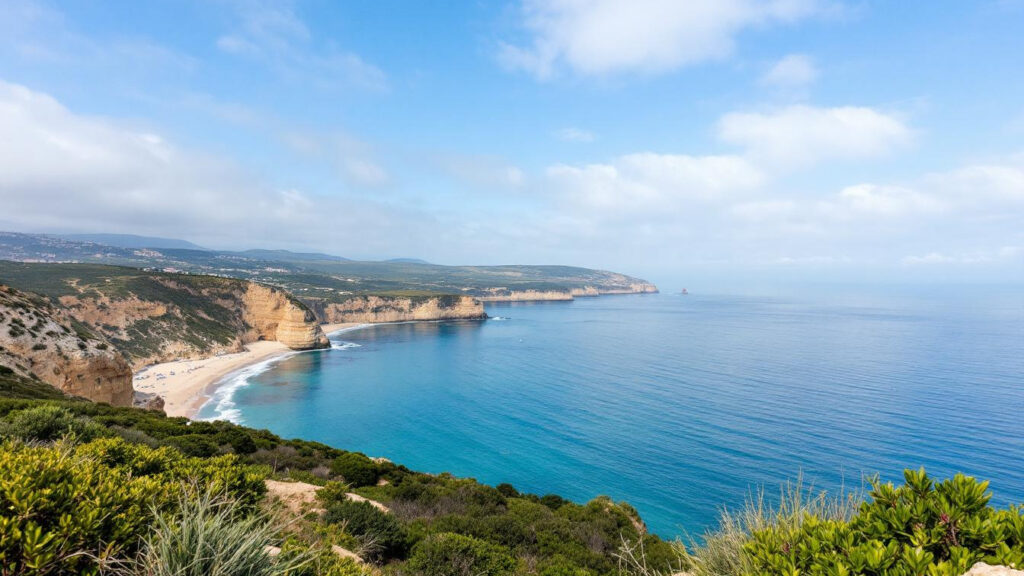

Portugal has long been celebrated as a premier destination for retirees seeking a peaceful life under the sun, offering affordable living, friendly locals, and breathtaking landscapes. However, this idyllic status is increasingly being challenged, as rising housing prices and changing social dynamics prompt many expats to reconsider their choices. The seismic shift in the housing market, coupled with a surge in migration from all corners of Europe, is reshaping Portugal’s appeal. In 2026, the contrast between the allure of a retirement paradise and the evolving reality is stark, with the pressure of skyrocketing cost of living forcing many to reassess whether their dreams can still be realized in the Land of Fado.
For years, Portugal has attracted expats with its promise of a relaxed lifestyle. However, the increasing influx of new residents has stirred up tensions over housing affordability and cultural integration. Many retirees, who envisioned an easy transition to a laid-back life, are instead grappling with unexpected bureaucratic challenges and cultural barriers. The initial excitement often gives way to a realization that living in Portugal is not just about enjoying the beautiful scenery; it’s also about navigating a complex socio-economic landscape.
The Illusion of the Perfect Retirement
Many newcomers arrive with the perception that relocating to Portugal means indulging in endless sunshine and leisurely café visits. Yet, the reality is far from a permanent vacation. Some expats find that they are unprepared for the slower pace of life and the country’s bureaucratic hurdles. For instance, one Canadian expat shared, “I came for the sunshine and food. I stayed because I learned to love the quiet moments—but that took patience.” A willingness to adapt and embrace the slower rhythm is critical to thriving in this new environment.
Expectations vs. Reality
In many instances, retirees make the move to escape challenges back home, hoping that a change in scenery will solve their problems. This mindset can lead to disappointment, as the underlying issues often persist. As one retiree noted, “I thought leaving my stress behind would fix everything. I learned that my problems followed me.” Without a clear vision for a fulfilling life ahead, many can feel lost once the initial excitement fades.
Financial Realities in a Shifting Landscape
The perception of Portugal as a cheap destination is becoming outdated, particularly in sought-after cities like Lisbon and Porto. Rising rents and living costs have surprised many newcomers, leading them to reassess their budgets. Those who lack a solid financial plan find themselves navigating a precarious situation. Residents from a British family in Setúbal expressed, “It’s not as cheap as the blogs said, but our quality of life here is still far better than back home.”
Adapting to Local Norms
For those unwilling to adjust to Portuguese customs and the local pace of life, frustration can set in swiftly. A café owner in Lisbon openly stated, “If you’re in a hurry, Portugal will teach you to slow down.” This adaptation is essential for successful integration and engagement with the local community.
- Understand the bureaucratic system: Patience is crucial; expect delays.
- Learn the language: Basic Portuguese can dramatically improve social interactions.
- Engage with locals: Building relationships is key to feeling at home.
- Embrace cultural differences: Accepting the local way of life can ease transitions.
Building a Sustainable Life in Portugal
Despite the challenges, many expats find long-term success by maintaining realistic expectations and embracing cultural integration. Learning the language and getting involved in local communities can foster a sense of belonging. As one Portuguese local pointed out, “We’re happy to welcome new people, but respect is the beginning of friendship.” This notion has become increasingly important as the influx of foreign residents raises questions about housing and cultural identity.
A shift in social sentiment regarding foreign residents has become increasingly palpable in major cities, as locals express concerns over the impact of gentrification and soaring rental prices. Journalists have noted that while the expat community is welcomed, it’s essential to maintain a balance that preserves the character of local neighborhoods. As one journalist aptly stated, “We don’t hate expats. But we want Portugal to remain a home for Portuguese people, too.”
Final Thoughts
The allure of Portugal as a retirement destination is undeniable, yet navigating the complexities of living there requires a grounded perspective. An embrace of local culture, practical financial planning, and adaptable attitudes are indispensable for creating a sustainable life in this picturesque land. By seeking mutual respect and understanding between the expat and local communities, both can thrive in this vibrant European country.