
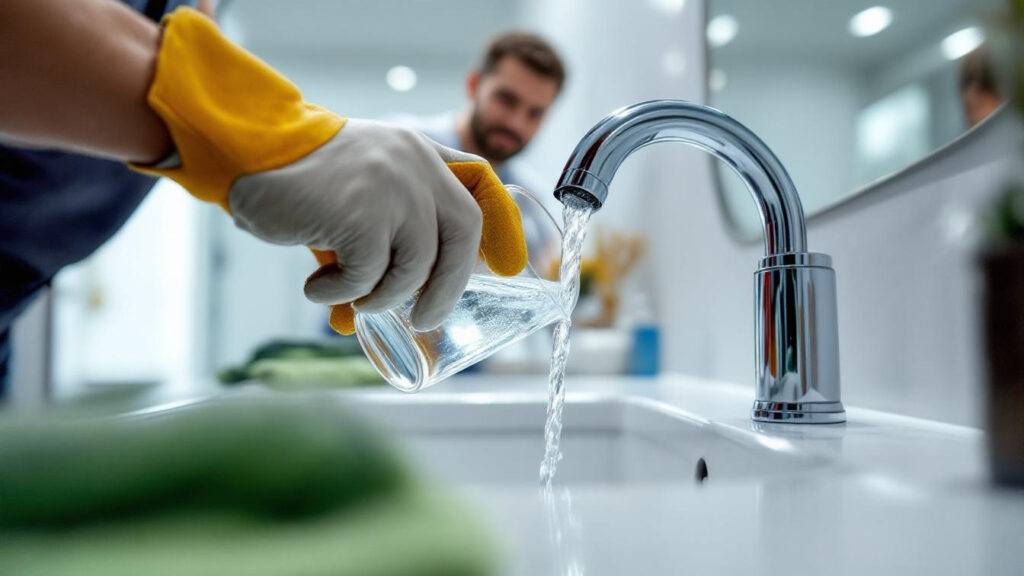

Household plumbing issues, particularly clogged drains, are among the most common nuisances homeowners face. Faced with this problem, many instinctively reach for chemical drain cleaners, hoping for a quick fix. However, these potent products often come with significant downsides, including potential damage to pipes and environmental concerns. Thankfully, plumbers have long utilized the half cup trick—a simple, eco-friendly method that can effectively clear drains without the need for harsh chemicals. By using common household ingredients like baking soda and vinegar, anyone can employ this DIY plumbing solution with ease.
The process begins with the boiling of water to help loosen debris in the pipes, followed by the addition of the baking soda and vinegar. This combination creates a fizzing reaction that effectively dislodges minor clogs caused by grease, soap scum, or organic matter. Plumbers recommend this method for its simplicity and effectiveness, without risking damage to plumbing systems. Not only does this technique help maintain your home plumbing, but it also aligns with eco-friendly principles that prioritize safe and sustainable practices.
Benefits of Avoiding Chemical Drain Cleaners
Choosing to eliminate chemical drain cleaners from home maintenance routines not only protects plumbing but also safeguards health and the environment. Here are some compelling reasons to consider:
- Pipe Protection: Many chemical cleaners contain corrosive substances that can deteriorate pipes over time, leading to costly repairs.
- Environmental Safety: Chemicals can infiltrate local waterways, damaging ecosystems and harming wildlife.
- Health Awareness: Chemical fumes pose health risks; inhalation can cause respiratory issues, and contact with skin may result in burns.
How to Clear Your Drains Using the Half Cup Trick
Utilizing baking soda and vinegar is an effective way to tackle minor clogs. The half cup trick leverages their chemical reaction to unclog drains naturally. Here’s how to execute this method:
- Boil Water: Start by pouring a pot of boiling water down the drain to help loosen any tough buildup.
- Add Baking Soda: Follow up with a half cup of baking soda, allowing it to sit for several minutes.
- Pour Vinegar: Next, add a cup of white vinegar. Quickly cover with a drain plug to contain the fizzing reaction.
- Wait: Allow the mixture to work for about 15 minutes.
- Flush: Finally, pour another pot of boiling water down the drain to flush away remaining debris.
Alternative DIY Plumbing Solutions
Beyond the baking soda and vinegar method, there are additional tools homeowners can use to clear drains without chemicals. Here are two popular alternatives:
Plungers
For blockages caused by hair or small food particles, a plunger can be highly effective. To use:
- Create a seal over the overflow hole to ensure suction is maximized.
- Submerge the plunger head completely in water and plunge vigorously for 20-30 seconds.
- If successful, flush the drain with warm water to clear any debris.
Drain Snakes
For tougher clogs that resist plunging, a drain snake serves as a practical solution. This tool reaches deep into pipes to break up stubborn blockages. Here’s how to use it:
- Insert the snake into the drain and begin turning the handle.
- Feel for resistance, then twist and push to break the clog apart.
- Withdraw the snake, bringing debris with it, and flush the drain with hot water afterward.
Preventing Future Clogs
After successfully removing drain clogs, it’s critical to take steps to prevent future issues. Here are some proactive measures:
- Use Drain Covers: Prevent hair and food scraps from entering the pipes by installing appropriate covers.
- Avoid Grease: Dispose of grease and oil properly to avoid solidifying in pipes.
- Flush with Water: Run hot water down the drain after each use to wash away any buildup.
- Regular Maintenance: Implement the baking soda and vinegar method monthly to keep pipes clear.