
Overwatering is frequently blamed for the demise of indoor plants, but it’s often not the sole culprit. Many plant lovers pour their hearts into caring for their green companions, only to be dismayed when their efforts fall flat. Understanding the real reasons behind plant decline can transform the way plants are nurtured, leading to healthier indoor gardens. Elements such as soil drainage, watering habits, and external conditions greatly influence plant health. This article will delve into these factors, offering practical solutions to breathe new life into struggling plants.
Brief
- Soil moisture is the best indication of when to water.
- Group plants by their watering needs to simplify care.
- Improper drainage is more harmful than overwatering.
- Recognizing signs of distress can prevent long-term damage.
- Adapting plant maintenance strategies is essential for thriving indoor gardens.
Why Overwatering Isn’t Always the Issue
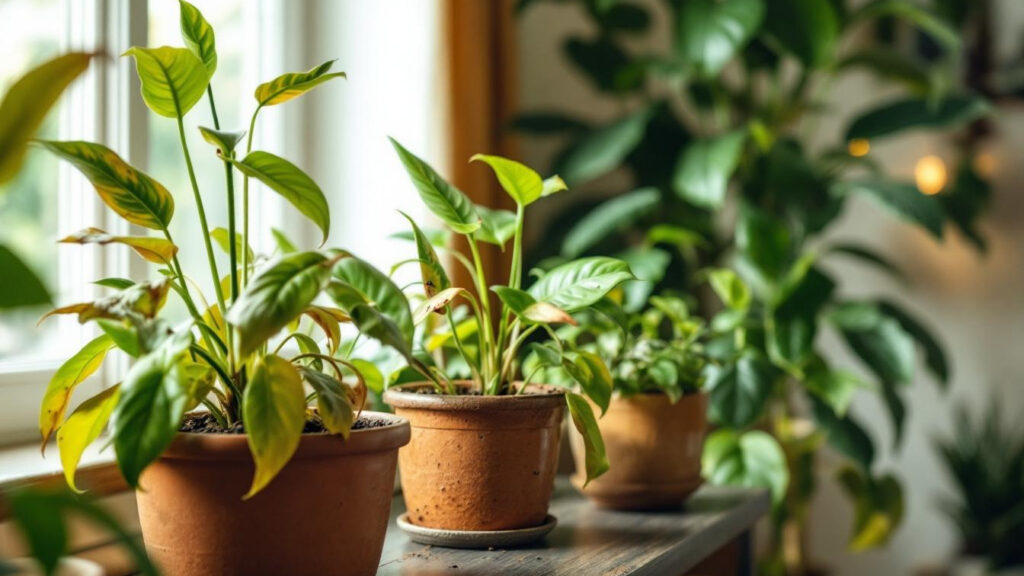
Though overwatering is a common concern, it’s important to recognize that other factors can contribute to a plant’s decline. Many indoor plants suffer not just from excessive moisture but from poor soil drainage and inadequate care. Over time, stagnant water and lacking aeration can lead to root rot, which compromises a plant’s ability to thrive. Plants often signal their distress through symptoms mistaken for overwatering, like yellowing leaves or wilting, when underlying issues may be at play.
Essential Signs to Monitor
Identifying the right indicators can help pinpoint the real cause behind a plant’s struggle. Here are key signs to watch for:
- Wilting Leaves: Wilting can suggest a lack of water or root suffocation due to oversaturation.
- Yellowing Leaves: Often starts from the base and indicates nutrient issues or root damage.
- Mushy Stems: Soft, squishy stems signal ongoing root rot.
- Stagnant Soil: Mold or foul odors emanating from the soil indicate excess moisture.
Immediate Actions to Take
Upon noticing these symptoms, immediate actions can help reduce plant distress:
- Stop Watering: Allow the soil to dry out completely.
- Check Drainage: Ensure pots have adequate drainage holes and remove any standing water.
- Assess Soil Conditions: Evaluate moisture levels throughout the soil to gauge the required action.
Factors Influencing Plant Health
Let’s explore how various components affect indoor plants:
| Factor | Impact on Plants |
|---|---|
| Soil Moisture | Crucial for nutrient uptake; both over and under-watering can cause issues. |
| Drainage | Poor drainage leads to root rot; proper airflow is necessary for healthy roots. |
| Light Conditions | Inadequate light can weaken plants, making them prone to issues that mimic overwatering. |
| Humidity and Temperature | Extreme environmental changes can stress plants, affecting their overall health. |
Adapting Your Watering Habits
Improving watering practices is essential for keeping indoor plants vibrant and healthy. One effective tactic is to group plants based on their water requirements. This not only organizes care but also helps meet individual needs more effectively. Following seasonal adjustments is also crucial; during winter, plant growth slows, often requiring less water.
Additionally, regularly checking the soil moisture can prevent misjudged watering. Simple tools like moisture meters can provide a more accurate reading than the finger test, allowing for better decision-making regarding plant care.
To further enhance plant health, consider the potting mix being used. A well-draining mix, often containing perlite or vermiculite, can improve moisture balance and nutrient availability, directly contributing to a plant’s success.
Establishing a Care Routine
Consistency is key in plant maintenance. A care routine that includes scheduled checks for moisture, light, and pest symptoms will help stay ahead of any potential issues. Be sure to monitor for pests or plant diseases, as stressed plants are more susceptible to infestations.
For those struggling to keep their plants alive, it may be worth exploring resources that explain the specific care requirements for different species. This knowledge can be vital in developing effective indoor gardening practices.