
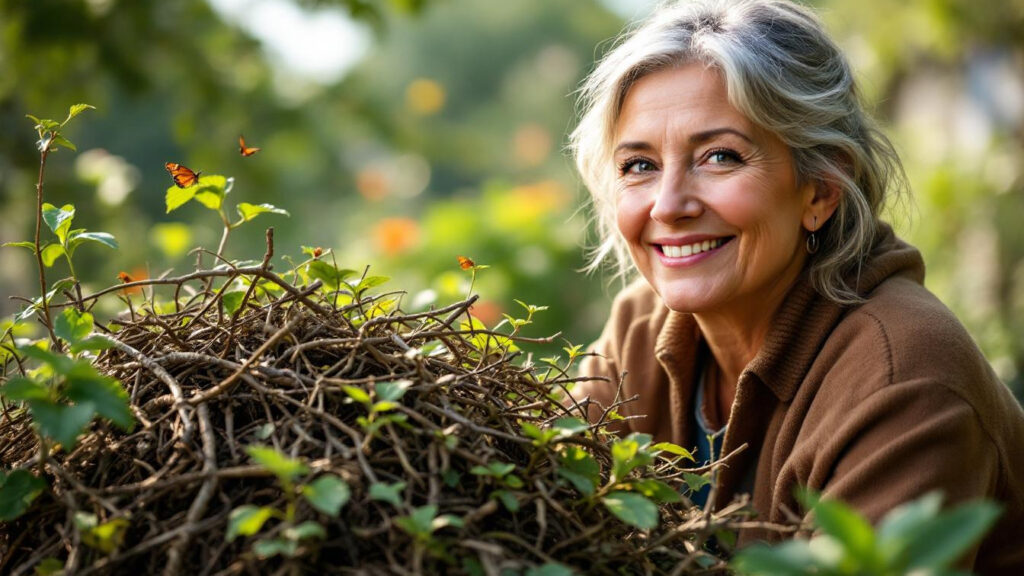

Creating a brush pile in your yard isn’t just a practical solution for managing yard waste; it’s a powerful way to enhance the wildlife habitat and support local ecosystems. By embracing this simple practice, homeowners can promote biodiversity while providing essential shelter for native species. Brush piles serve as safe havens for various wildlife, from small mammals like chipmunks and squirrels to birds and insects. This initiative fosters a connection with the environment, offering a glimpse into the vibrant life thriving right outside your door. As winter settles in, a brush pile becomes a valuable resource, providing warmth and protection from the elements for countless creatures.
Landscaping trends have increasingly recognized the importance of yard conservation. By preserving natural materials instead of disposing of them, individuals can transform their backyards into sanctuaries of life. The benefits extend beyond aesthetics; homeowners can witness the enchanting cycle of nature firsthand. Whether it’s observing a deer nibbling nearby or spotting vibrant butterflies fluttering around in warmer months, a brush pile enriches the natural environment, making outdoor spaces more engaging for everyone.
- Promotes biodiversity: Provides habitat for various species.
- Supports wildlife: Offers shelter to small animals and birds.
- Minimizes waste: Reduces what ends up in landfills.
- Enhances soil health: Decomposing materials enrich the earth.
- Encourages native species: Attracts pollinators essential for gardens.
The Ecological Impact of a Brush Pile
Brush piles play a crucial role in supporting local animals by serving as a refuge and a source of food. In a constantly changing environment, these piles provide much-needed shelter during harsh weather conditions. They can also attract insects, which in turn serve as a food source for birds. Installing a brush pile creates an ecosystem where various species can coexist and thrive.
Building Your Brush Pile: Key Considerations
Creating an effective brush pile requires thoughtfulness. Start with larger branches at the bottom to allow for air circulation, essential for decomposition. Avoid using any materials treated with chemicals, such as painted wood or pressure-treated materials, as they can harm nearby wildlife. Stick to natural, untreated items for the best results.
Over time, add organic materials like leaves and grass clippings as they become available. This continuous layering approach not only keeps the pile healthy but also attracts an array of wildlife. A well-maintained brush pile becomes a thriving habitat that benefits multiple species.
Benefits for Local Wildlife
The advantages of maintaining a brush pile are multi-faceted. Not only does it enhance the local biodiversity, but it also contributes to a thriving micro-ecosystem. Here are some core benefits:
- Provides shelter from predators and harsh weather.
- Fosters breeding grounds for birds and small mammals.
- Encourages pollination as insects and birds are attracted to the area.
- Utilizes yard waste efficiently instead of sending it to the landfill.
| Wildlife | Benefits of Brush Piles |
|---|---|
| Small Mammals (e.g., chipmunks) | Provides nesting sites and protection from predators. |
| Birds (e.g., songbirds) | Offers resources for building nests and finding food. |
| Insects (e.g., beetles, bees) | Serves as a habitat and food source for pollinators. |
| Reptiles (e.g., snakes) | Provides cover and nesting opportunities. |
Encouraging Wildlife Diversity in Your Yard
To maximize the benefits of your brush pile and attract a broader range of wildlife, consider planting native species nearby. Native plants naturally attract local fauna and create a vibrant ecosystem. By fostering a balance between your landscaping choices and wildlife needs, you’ll create a yard that encourages biodiversity and supports the natural environment.
Maintaining a brush pile is a simple yet impactful step toward enriching your outdoor space. By witnessing the interactions between various creatures and the ecosystem, homeowners can develop a deeper understanding of nature’s processes and the importance of conservation.