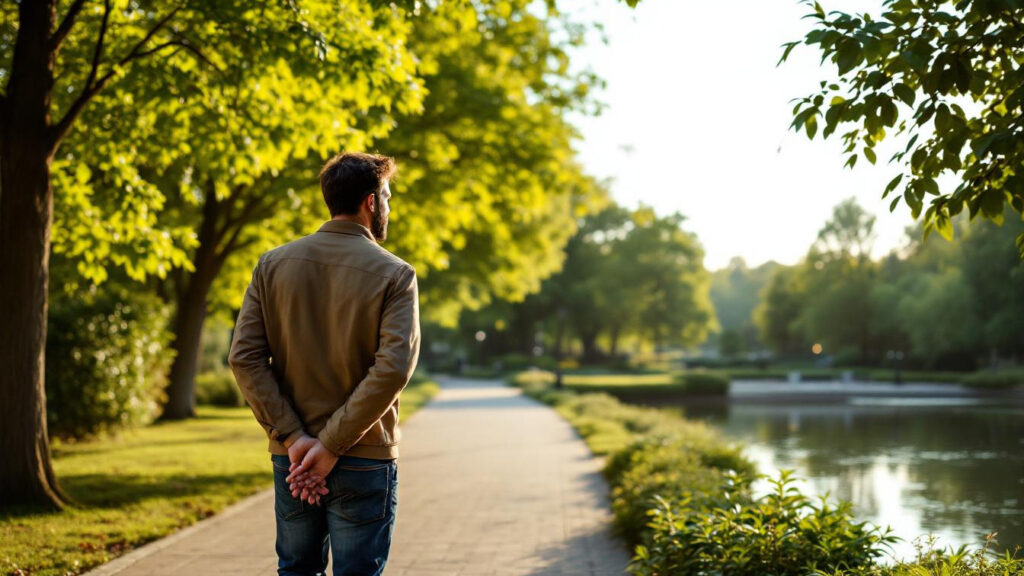

Walking with your hands behind your back might seem like an inconspicuous behavior, yet it’s a powerful form of body language that can unveil a lot about one’s personality. As a subtle yet effective posture, it signals emotions ranging from confidence to calmness. This stance is not just a quirk; it serves as a window into the mind, revealing how comfortable a person feels in their environment and their emotional state. Whether you’re striding confidently in the office or strolling through a park, the way you carry yourself speaks volumes about your mindset and self-awareness.
Decoding the Message Behind Your Posture
This simple yet effective posture is often associated with leaders, intellectuals, and individuals who exude a sense of calm. The act of walking with hands clasped behind the back originates from a combination of instinctual behavior and social cues. Here’s a closer look at the psychological implications of this action:
- Confidence and Authority: Exposing the torso and chest while walking reveals vulnerability — a signal to others that you feel safe and in control.
- Calmness and Composure: This stance promotes a slower, more deliberate pace, projecting inner peace and patience.
- Deep Thinking or Problem-Solving: Many resort to this setup during moments of introspection, as it aids concentration and critical thinking.
- Openness and Positive Vulnerability: The openness of this posture indicates a readiness to engage and communicate, contrasting with defensive body language.
- Respectful or Reserved Behavior: In certain cultures, this position is seen as a sign of politeness and humility.
- Habit of Observing: Individuals often adopt this pose when observing their surroundings, reflecting a thoughtful and analytical personality.
- Emotional Stability: Those who maintain this posture are often perceived as emotionally balanced and grounded.
The Psychological Benefits of This Gesture
Research indicates that power poses can significantly affect your physical and mental state. Standing or walking with hands behind the back not only enhances posture but may also boost feelings of confidence and authority. This is particularly beneficial for office workers or those who have been sitting for long periods. Adopting this posture can help stimulate better breathing, encourage a more upright stance, and even reduce tension in the body.
Health Benefits Linked to Body Language
Interestingly, body language doesn’t just impact how others perceive you; it can also enhance your own self-esteem. A Harvard Business School study found that maintaining powerful postures for just two minutes can lead to elevated testosterone levels and decreased cortisol — known as the stress hormone. This connection underscores how adopting a confident stance, like walking with hands behind your back, can lead to a greater willingness to take risks and engage actively in conversations.
Why Observing This Behavior Matters
In a world where first impressions count, being aware of body language can markedly improve interpersonal interactions. Noticing someone walking with their hands behind their back can indicate various attributes, such as self-assuredness and calmness. It’s the hallmark of someone who is comfortable in their skin and at peace with their surroundings.
- Boosts personal confidence
- Encourages positive interactions
- Promotes emotional stability
- Fosters thoughtful engagement with one’s environment
Ultimately, embracing the act of walking with your hands behind your back can cultivate a sense of authority and mindfulness. By being conscious of physical posture, you can not only enhance your own emotional state but also positively influence how others perceive you. The power of nonverbal communication is genuine, and sometimes, it’s the simplest gestures that convey the deepest messages about who we are.