
As winter approaches, ensuring your heating system is primed to perform efficiently is crucial. One essential task often overlooked is bleeding the radiator. A properly maintained radiator not only enhances heat efficiency but also contributes significantly to overall home comfort. Neglecting this step can lead to uneven heating, increased energy costs, and a less enjoyable living environment during the cold months ahead. This straightforward maintenance can be executed quickly and dramatically improve your system’s performance.
In brief
- Bleed your radiator to remove trapped air, ensuring even heat distribution.
- Check your thermostat for proper function and battery life.
- Inspect and clear vents and chimneys to prevent obstructions.
- Make sure smoke alarms and carbon monoxide detectors are functioning.
- Identify any unusual smells or noises from the heating system.
- Consider hiring a professional for a complete seasonal check if unsure.
The Importance of Bleeding Your Radiator
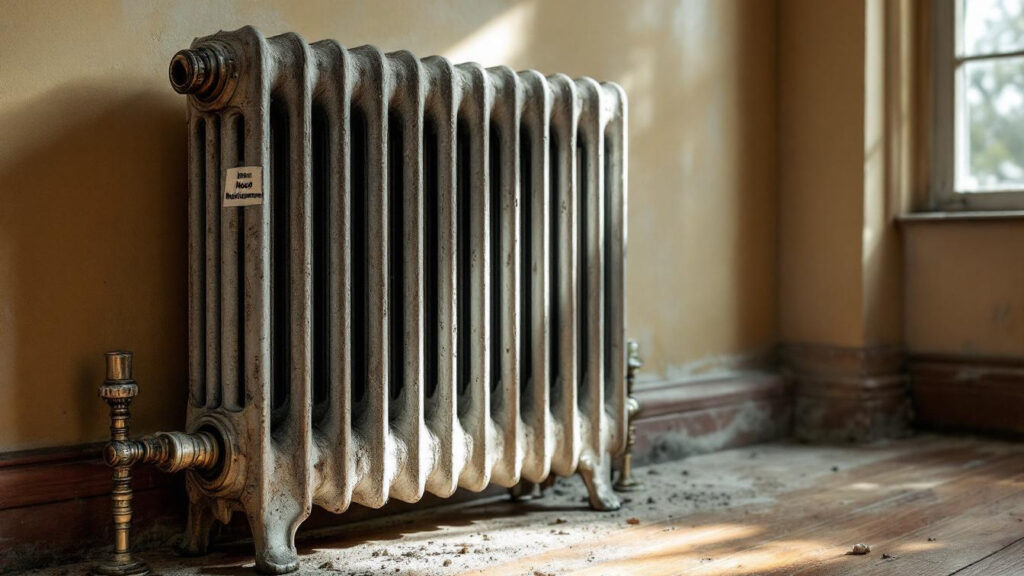
Trapped air in a radiator prevents hot water from circulating efficiently, creating cold spots in your home. This can lead to increased energy usage as your system works harder to compensate for the lack of heat. By bleeding your radiator, you release air pockets, allowing hot water to fill the entire radiator. This simple act not only enhances heat efficiency but also ensures a cozy atmosphere during harsh winter nights.
How to Bleed a Radiator
Follow these steps for effective bleeding:
- Turn off your heating system and let the radiators cool down.
- Locate the bleed valve on the radiator, typically at the top end.
- Using a radiator key or flat screwdriver, turn the valve counterclockwise until you hear a hissing sound.
- Once water begins to leak out, close the valve by turning it clockwise.
- Check the pressure gauge on your boiler and top up if necessary.
Preparing Your Heating System for Winter
Beyond bleeding radiators, a thorough inspection of your entire heating system ensures effectiveness and safety. Regular maintenance can drastically reduce the chances of unexpected breakdowns during the coldest months.
Key Checks to Perform
- Thermostat: Ensure it’s set to the correct mode and temperature. Consider replacing batteries if needed.
- Vents and Chimneys: Clear any debris that could obstruct airflow, ensuring proper ventilation.
- Smoke and Carbon Monoxide Detectors: Test and replace batteries as necessary to guarantee safety.
- Listen for Unusual Noises: Any strange sounds can indicate malfunctioning components that require attention.
Hiring a Professional for Safety and Efficiency
Despite DIY efforts, it’s wise to consider enlisting a professional for a complete seasonal check. An experienced technician can identify issues that may not be visible, ensuring all aspects of your heating system meet safety standards. Regular professional maintenance helps in identifying potential problems early, saving homeowners from costly repairs down the line.
| Maintenance Task | Frequency | Benefits |
|---|---|---|
| Bleed Radiator | Seasonally | Improved heat efficiency and comfort |
| Thermostat Check | Annually | Ensures proper temperature control |
| Vents and Chimney Inspection | Annually | Prevents obstructions and enhances airflow |
| Professional Maintenance | Annually | Identifies unnoticed issues and ensures safety |