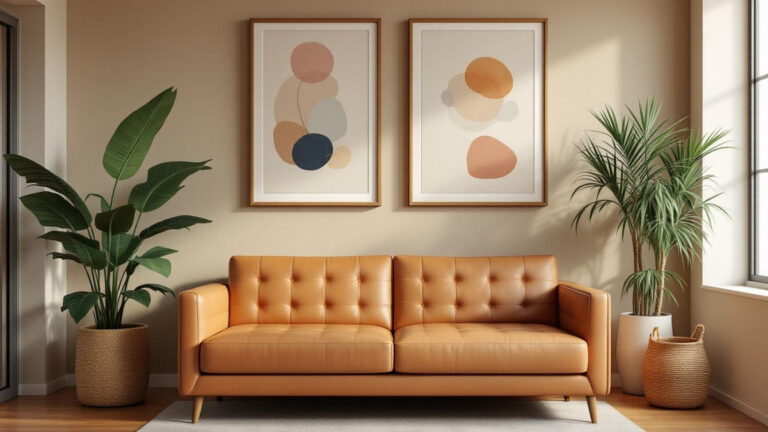

Transforming a space with artwork can elevate a room from mundane to magnificent. Yet, before hammering any nails into the wall, a single, crucial question should be posed: “How does this art interact with the rest of the room?” This inquiry isn’t just about aesthetics; it’s about ensuring that the art piece complements the space, aligns with the overall design narrative, and enhances ambiance. Designers recognize that thoughtful art placement goes beyond simple dimensions; it creates a dialogue within the décor that draws the eye and expresses character. By prioritizing this consideration, one can avoid common pitfalls that diminish the potential impact of their chosen artwork.
Art serves as a powerful focal point in home décor, yet poor placement can render even the most beautiful pieces ineffective. As a guideline, artwork should not only reflect personal taste but also engage with the surrounding environment—this involves evaluating color schemes, furniture arrangements, and lighting conditions. It’s essential to consider the spatial dynamics: does the piece harmonize with or distract from the existing elements? Furthermore, incorporating visual balance ensures that the artwork feels intentional rather than haphazardly selected. Following these principles can transform the viewer’s experience, turning a simple wall into a canvas of storytelling.
- Ask the right question: Focus on art interaction with the room.
- Consider spatial dynamics: Evaluate color schemes, arrangements, and lighting.
- Aim for visual balance: Ensure harmony between art and surroundings.
- Transform ordinary spaces: Use artwork to create a narrative.
The Importance of Art Placement in Home Decor
Much of the allure of artwork lies in its placement. Proper placement showcases the piece and enhances the surrounding decor. For homeowners, understanding art placement can make the difference between a well-designed space and a disjointed one. Art should create harmony, guiding the viewer’s attention through the room. Evaluating the height and spacing relative to furniture and wall dimensions is vital. As a rule of thumb, the center of the artwork should be around 57 to 60 inches from the floor, aligning with the average eye level of viewers.
Key Considerations for Aesthetic Appeal
When contemplating where to hang art, several factors must be taken into account for an appealing result:
- Framing: The right frame can elevate the artwork. Consult a professional if unsure.
- Proportion: Larger pieces should dominate spacious walls, while smaller artworks can complement. Aim for visually striking arrangements that maintain balance.
- Lighting: Natural and artificial lighting can significantly impact how artwork is perceived. Use warm lighting to enhance colors and textures.
Practical Tips for Hanging Artwork
Proper execution also includes practical tips to ensure artworks are hung securely and appealingly:
| Do’s | Don’ts |
|---|---|
| Hang art at eye-level for most pieces. | Avoid random placement that disrupts flow. |
| Position art 10-15 cm above furniture for optimal effect. | Never crowd art too tightly; allow for breathing space. |
| Group artworks thoughtfully, aiming for visual coherence. | Don’t overwhelm with too many pieces in a single area. |
After addressing placement logistics, the final step involves investing in a cohesive framework that echoes the home’s style. Integrating colors from the artwork into the surrounding decor can establish a unified look. By choosing furniture and accessories that reflect the hues found in the artwork, the space transforms into a visual symphony, heightening the overall aesthetic appeal.
The Power of Empty Space
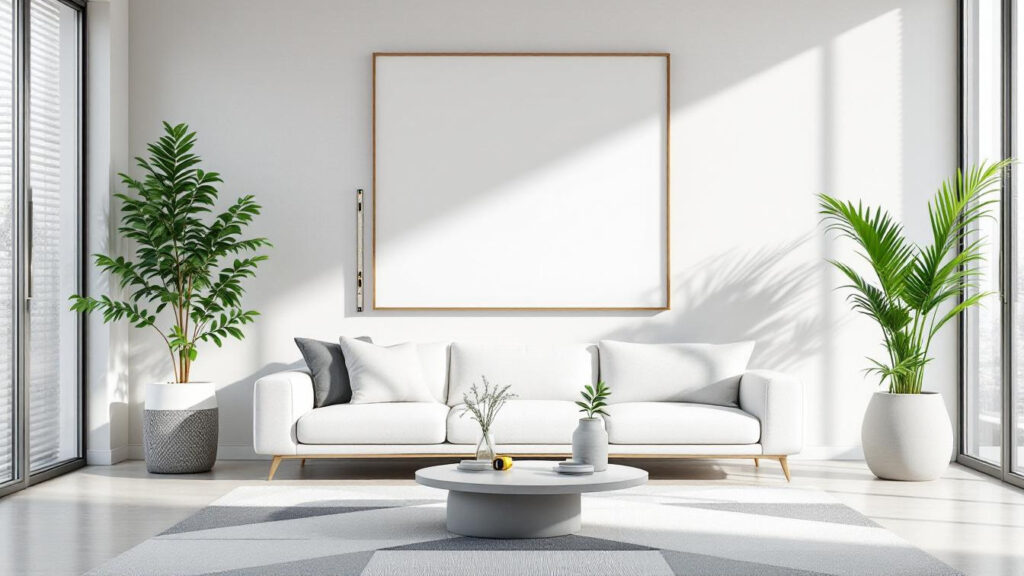
It’s vital to remember that not every wall requires decoration. Embracing negative space is equally important, allowing the eye to rest and emphasizing the artwork when it is present. Strategically leaving walls bare can draw attention to featured pieces and create a more sophisticated look. Consider leaving hallways or transition spaces relatively clear to avoid clutter and maintain balance.
With these insights, exploring the world of artwork hanging goes beyond mere installation; it becomes an opportunity to curate a home’s narrative. Each piece of art speaks volumes, telling stories that resonate within the walls of one’s sanctuary. By taking the time to ask the crucial question about art interactions and following refined design tips, every homeowner can achieve a space that feels cohesive and reflective of personal style.