
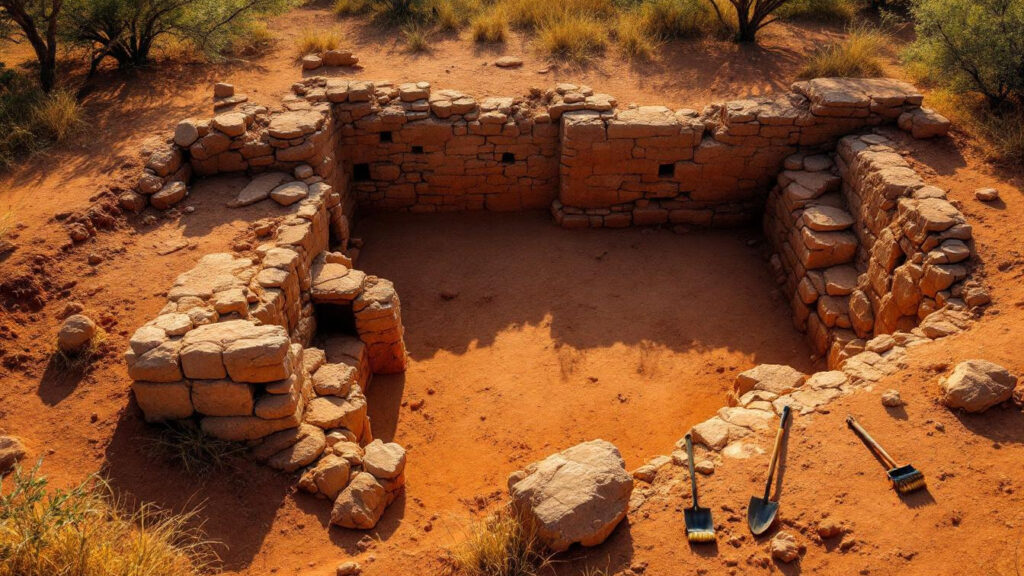

A recent archaeological discovery in Texas has revealed the long-lost site of Mission Nuestra Señora del Espíritu Santo, an important piece of the state’s colonial history. Abandoned nearly 300 years ago, this mission was situated in Jackson County, near Victoria, and played a significant role in the competition between Spanish and French settlers for control of the region. This important find, made by a dedicated team from Texas Tech University in collaboration with the Texas Historical Commission, not only sheds light on the past but opens doors to understanding life on the Spanish frontier during the 18th century.
Significance of the Discovery of the Long-Lost Mission
This mission was originally established as part of Spain’s efforts to maintain control in a region contested by French explorers like La Salle. The site had eluded archaeologists for years due to a combination of overgrazed land and insufficient historical records. Recent excavations finally pinpointed its location through the discovery of 18th-century artifacts, including lead shot and domestic-related items, signaling that the mission was once an active community.
Insights Gained from the Excavation
With this newfound site, archaeologists can now paint a clearer picture of daily life during the missionary period. Understanding what life was like in 1720s Spanish colonial Texas could provide context to historical records that lack detail about the day-to-day experiences of those living there. The artifacts unearthed will help historians address questions about how these settlers survived and interacted with Indigenous populations.
Challenges in Locating the Mission
Pinpointing the exact location of the mission presented significant challenges. Historical documents suggested a rough proximity to Presidio La Bahía; however, vague descriptions and the area’s ecological changes over time made it difficult. The team, led by Tamra Walter, faced these obstacles head-on, employing both archival research and modern surveying techniques to unearth this important site.
- Archival Research: Vital for creating a foundational understanding of the site’s location.
- Artifact Analysis: Allowed researchers to evaluate the significance of the findings.
- Modern Technology: Utilized metal detectors to locate buried artifacts efficiently.
- Clearing Vegetation: Essential for revealing hidden treasures beneath the surface.
The Broader Historical Context
The discovery not only highlights Spanish colonial efforts but also explores how these missions served as cultural and religious hubs for Native American populations at the time. By understanding the mission’s role, historians can better assess the dynamics between the European colonizers and Indigenous communities, providing vital context to historical events.
The Future of the Archaeological Site
As excavations continue, the team aims to delve deeper into the site’s significance, potentially uncovering more artifacts and structures that could further illuminate this pivotal moment in Texas history. Future missions may also attract tourism and educational opportunities, underscoring the importance of preserving such historical sites.
This remarkable find serves as a reminder of Texas’s rich archaeological heritage and the ongoing importance of research and excavation in uncovering the past. As the excavation at this long-lost mission unfolds, the insights gained may reshape our understanding of the state’s colonial era and the cultural interactions that took place on its soil.