
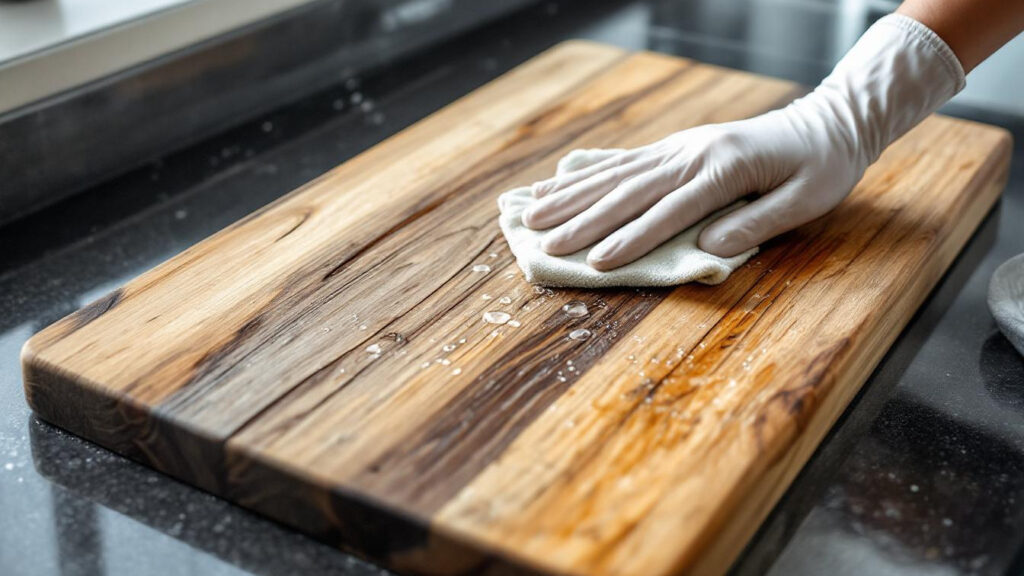

Wooden cutting boards, a staple in kitchens, play a crucial role in food preparation. They provide a cutting surface that’s both durable and aesthetically pleasing, yet they require specific care to maintain their integrity and hygiene. Professional chefs understand this well and often avoid using soap on these boards, opting instead for methods that protect the wood while ensuring food safety. This article dives into the reasons behind this practice and offers practical tips for maintaining wooden cutting boards without compromising their quality.
Understanding the Risks: Soap and Wooden Cutting Boards
Soap may seem like the go-to cleaning agent, but it can be harsh on the porous nature of wood. The chemicals in many soaps can strip away natural oils, which are essential for keeping the wood hydrated and resistant to bacteria. Instead of providing protection, soap opens the door to moisture infiltration, leading to potential wood damage and bacterial growth.
Proper Cleaning Techniques
Cleaning a wooden cutting board effectively involves simple methods that don’t require soap. Here’s a quick guide:
- Rinse: Start by rinsing off food particles with warm water.
- Gentle Scrubbing: Use a sponge with warm water, avoiding any abrasive pads that could damage the wood.
- Sanitize: For sanitizing, consider options like distilled vinegar or a mix of water and lemon juice to combat odors and germs.
- Dry Thoroughly: Always dry your board completely to prevent it from becoming a breeding ground for bacteria.
Why Professional Chefs Prefer This Method
Professional chefs often handle various types of food on wooden cutting boards, making their upkeep paramount. They recognize that traditional cleaning methods, such as using soap, compromise the board’s longevity and safety. By avoiding soap, chefs maintain the delicate balance of oils that protects the wood and minimizes the risk of cross-contamination.
When to Sanitize
It’s important to sanitize your cutting board regularly. Here are a few tips:
- After using the board for raw meats, sanitize immediately to prevent the spread of harmful bacteria.
- Perform a deeper clean at least once a week using baking soda or vinegar solutions.
- Ensure the board is dried properly after each cleaning to avert moisture issues.
Long-Term Care for Wooden Boards
To extend the life of wooden cutting boards, consider these care tips:
- Avoid Dishwashers: The high heat and excessive water exposure in dishwashers can cause warping and damage.
- Monthly Oiling: Apply food-grade mineral oil to restore moisture and create a protective barrier against stains.
- Proper Storage: Store cutting boards upright or hang them to avoid moisture traps.
By adhering to these cleaning and maintenance practices, you not only protect your wooden cutting boards but also ensure a safe cooking environment. Following the lead of professional chefs will give you the best results in kitchen hygiene.