
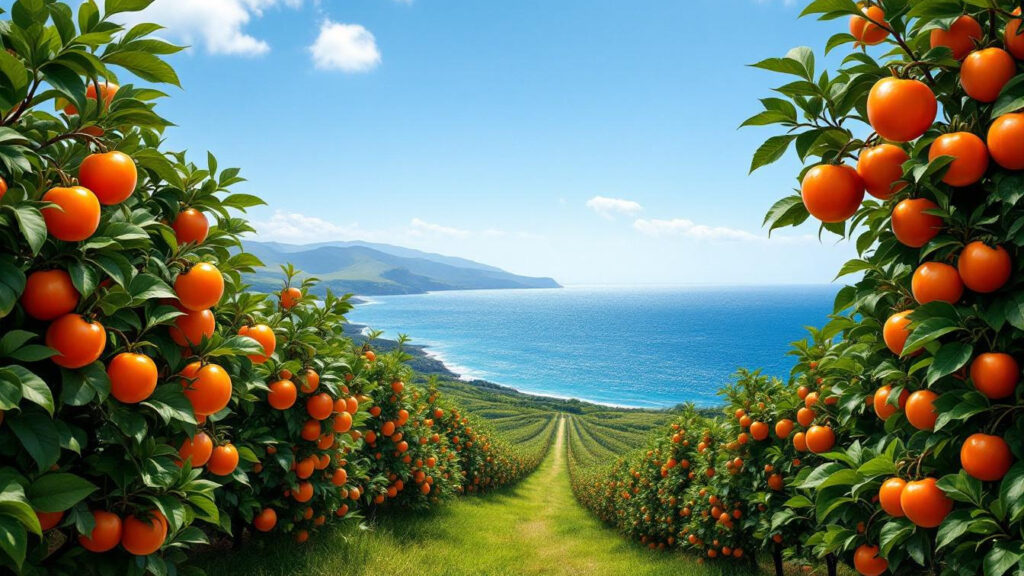

Persimmon farming is gaining traction along the Atlantic coast, despite a general consumer unfamiliarity with this versatile fruit. As more farmers realize the potential of American Persimmons (Diospyros virginiana) in both ecological and culinary applications, interest is surging. These trees not only contribute to sustainable agriculture but also echo a rich history of cultivation dating back to Native American and early settler times. With a slow but sure growth trend, the Atlantic coast offers an ideal environment for these hardy trees, thriving in various soil types and climates.
This fruit, often overshadowed by more familiar crops, stands out due to its unique flavor profile and adaptability. Horticulturists are discovering the benefits of persimmon farming, which can enhance local ecosystems by providing food for wildlife while also catering to a niche market. As farmers adapt to shifting consumer trends, crop production opportunities are emerging, supporting not just agricultural diversification but also promoting environmental health.
Understanding the Basics of Persimmon Cultivation
Growing persimmons involves understanding their specific requirements in terms of sunlight, soil, and water. American Persimmons thrive in full sun and prefer well-drained, slightly acidic soil. Farmers should avoid over-fertilizing, as these trees can thrive in less-than-ideal conditions once established. A deep taproot allows them to access moisture, making them resilient even in occasionally dry conditions.
Best Practices for Planting and Care
When establishing a persimmon farm, it’s crucial to consider spacing and tree health. Recommended planting includes:
- Planting trees with a spacing of 25 to 35 feet apart to allow for adequate sunlight and air circulation.
- Using organic mulch to retain soil moisture and suppress weeds.
- Regular monitoring for pests and diseases, as well as occasional pruning to maintain tree shape and health.
Farmers should also assess local climate conditions when selecting persimmon varieties that thrive in their regions. Adaptation to the unique climate along the coastal areas can ensure a fruitful harvest.
Harvesting Techniques and Consumer Awareness
Harvesting persimmons requires careful timing; the fruit must be soft and fully ripe to avoid the astringent taste of unripe fruit. Once harvested, they can be marketed at local farmers’ markets or through community-supported agriculture (CSA) initiatives. Raising consumer awareness about the uses and benefits of persimmon can greatly influence demand.
Expanding the Market for Persimmons
As interest in local and organic foods grows, there’s an opportunity for agribusiness focused on persimmons to thrive. Farmers can explore creating value-added products, such as jams, jellies, and baked goods, which highlight the unique flavor of the fruit. Education on nutritional benefits, as well as recipes for incorporating persimmons into daily diets, can further boost sales.
Challenges and Opportunities in Coastal Farming
While challenges such as late frosts and market competition exist, opportunities for fruit cultivation along the Atlantic coast are abundant. By promoting the ecological benefits of persimmon trees, farmers can draw attention to their environmentally friendly practices. Collaboration with local organizations can facilitate workshops and events to raise both awareness and interest in this underappreciated fruit.
Future of Persimmon Farming
The future of persimmon farming along the Atlantic coast looks promising. As awareness grows and agribusiness strategies evolve, there’s potential not just for economic gain but for enhancing local biodiversity. With every new farm that adopts persimmons, the chance for revitalization in the local economy and ecosystem expands.