
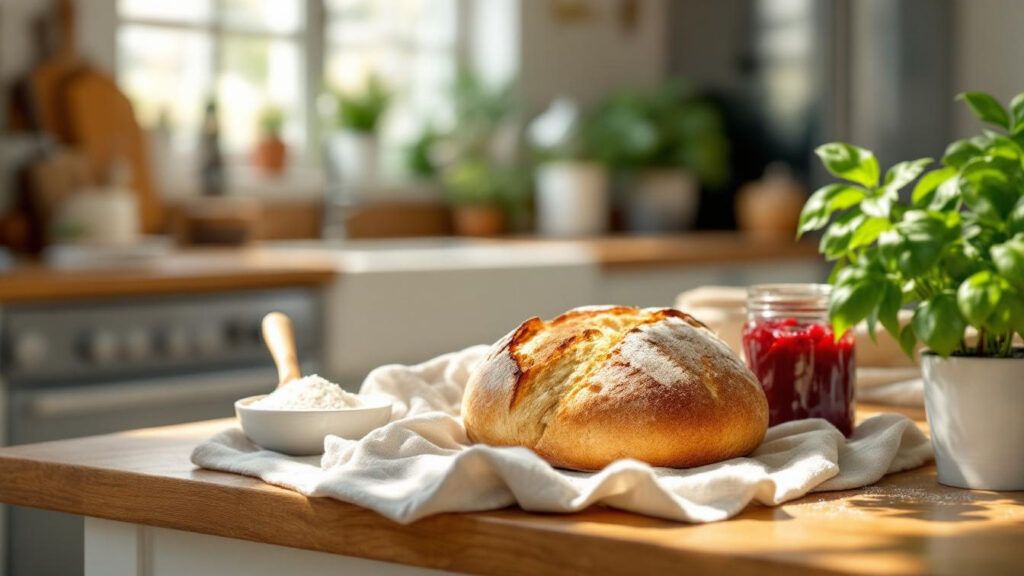

Freshly baked bread is a delightful centerpiece in any meal, but the joy of homemade bread can diminish quickly if it goes stale or moldy. For many, getting a loaf to last a week seems like an impossibility. Fortunately, with a few straightforward practices, keeping your bread fresh is absolutely achievable. Utilizing a simple kitchen cloth method can significantly extend the life of your loaves without the need for preservatives or fancy storage options. This guide reveals expert-backed techniques that preserve food freshness while ensuring your homemade bread remains enjoyable for longer.
The key to bread preservation lies not just in how it’s stored, but in how it’s made. Understanding the science behind bread staling—primarily caused by starch retrogradation—can inform your baking and storing techniques. Keep in mind that the goal is to retain moisture while preventing mold development. As you delve into these tips, you’ll find that the right storage methods along with a few clever tricks can ensure your bread stays delightfully fresh for up to a week.
Understanding Bread Staling: The Science Behind Freshness
Before looking into storage solutions, it’s crucial to grasp what causes bread to stalen rapidly. Staling is not merely about drying out; it’s mainly due to starch retrogradation. After baking, starches absorb moisture and swell, contributing to a soft texture. However, as the bread cools, these starches realign and crystallize, making the bread firmer and less palatable. Factors such as the type of flour and the environment play significant roles in how quickly bread deteriorates.
Starting with the Right Baking Techniques
To prolong the freshness of your bread, it all begins at the baking stage. Here are a few tips to consider:
- Use High-Quality Ingredients: Opt for flours with a higher protein content (12-14%) to retain moisture better.
- Add Fats: Incorporating fats like butter or olive oil can slow down staling by interfering with the retrogradation process.
- Maintain Proper Baking Temperature: An accurate oven temperature ensures the bread cooks through, avoiding gummy or overly dry outcomes.
- Cool Completely on a Wire Rack: This step prevents moisture accumulation, which can lead to mold.
Effective Short-Term Storage Methods for Homemade Bread
Once your bread has fully cooled, selecting the right storage solution is essential, particularly if you plan to consume it within a few days. Here are practical approaches:
- Use a Bread Box: Designed to balance humidity and airflow, this preserves the bread’s texture.
- Wrap in Linen or Cotton Cloth: This method allows air circulation while protecting against excessive drying.
- Opt for a Paper Bag: A simple yet effective choice for limited-term storage, preventing sogginess while allowing some breathability.
It’s important to avoid placing bread near heat sources or in direct sunlight, as these conditions can accelerate staling.
Freezing Bread: The Optimal Long-Term Solution
For those looking to preserve bread for longer periods, freezing is the best option. Properly done, freezing can extend the life of your homemade bread for 2-3 months or more.
- Pre-slice Before Freezing: This lets you thaw only the necessary portions without waste.
- Wrap Thoroughly: Use multiple layers of plastic wrap and place in a freezer bag, ensuring no air gets in.
- Thawing Options: For best results, thaw frozen bread at room temperature or use a toaster for individual slices.
Reviving Stale Bread: Quick Culinary Tricks
Even the best storage can lead to some staling. Luckily, stale bread can be revived with a few handy techniques:
- Reheat in the Oven: Lightly dampening the loaf and wrapping in foil before heating can restore some moisture.
- Make Croutons: A wonderful way to use up stale bread by cubing, seasoning, and toasting them.
- Bread Pudding or French Toast: Stale bread works perfectly in recipes that require soaking up liquid.
These methods not only save the bread but also create delightful new dishes.
Culinary Tips for Maintaining Bread Freshness
Ultimately, sustaining bread’s quality hinges on understanding a few key factors beyond storage methods:
- Moisture Content: Breads with higher hydration levels tend to stay fresh longer.
- Flour Type: Using high-protein flours contributes to better moisture retention.
- Quality of Ingredients: Whole grains might offer nutrition but can shorten shelf life.
By making conscious choices from the outset, the chances of stale bread can be minimized, ensuring delightful freshness from the first slice to the last.