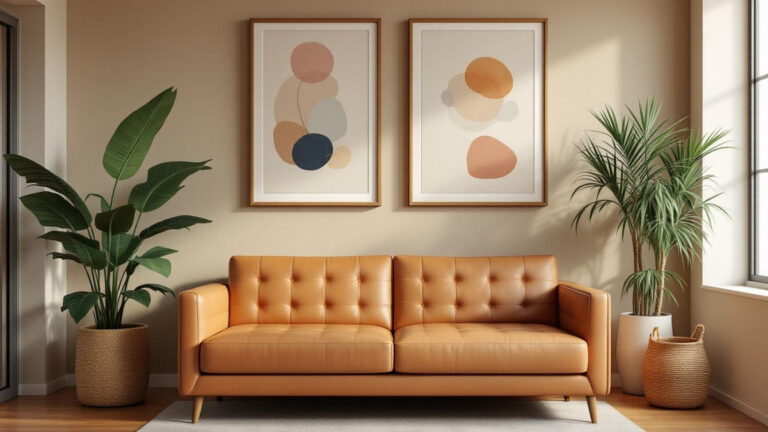
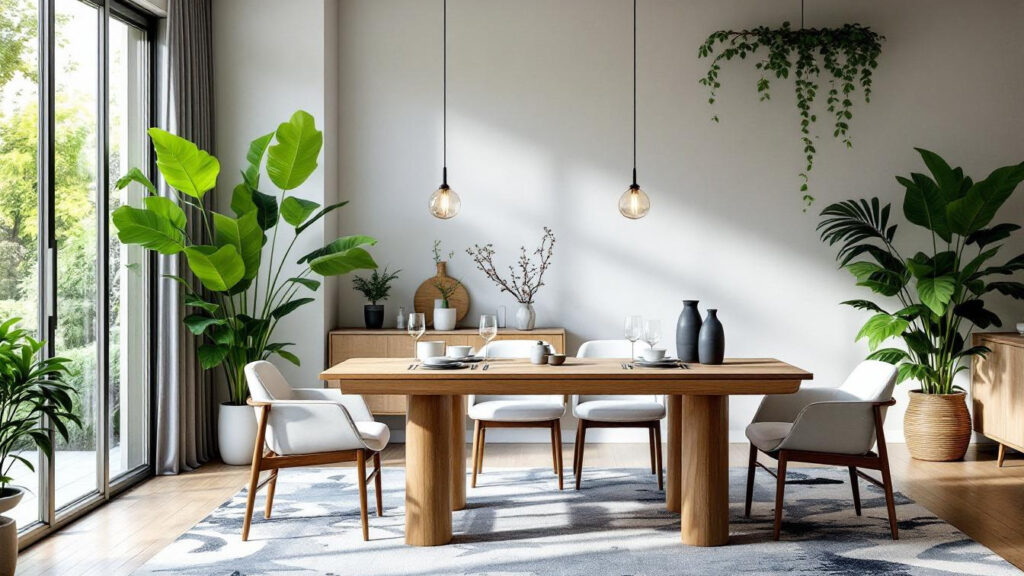

As American homes evolve to meet the demands of modern life, a growing number of homeowners are saying goodbye to the traditional dining table. This shift reflects a deeper appreciation for multifunctional spaces, drawn from innovative foreign trends that prioritize flexibility in home design. Where once a bulky table dominated the living area, lighter, more adaptable solutions are taking its place. From raised platforms to oversized sofas, the transformation allows for more dynamic use of living spaces, making gatherings feel less formal and more organic.
The move towards abandoning fixed dining furniture resonates particularly with younger generations who value adaptability over tradition. With living arrangements becoming increasingly compact and multipurpose, this trend opens up avenues for creativity in interior design. Embracing aspects from design norms in cities like Copenhagen and Tokyo, Americans are reimagining the role of their living spaces, merging cooking, dining, and relaxation in ways that foster connection and interaction. This transformation isn’t just about aesthetics; it emphasizes the importance of shared experiences in daily life.
The Shift from Dining Table to Flexible Living Spaces
The traditional dining table, once the centerpiece of family gatherings, is experiencing a decline in importance. In many modern homes, flexible eating zones are emerging as practical alternatives. This change is driven by a desire for informal gatherings that align more closely with how people really live, work, and socialize. Instead of a heavy table, consider low platforms or multifunctional islands that enhance workflow while still accommodating mealtime.
Why This Change Matters
For many, the dining table has become more of a storage area for additional items than a place for connection. Think about how often meals are truly shared around it versus being eaten in front of the television or on the couch. The rise of remote work and the blending of home and office life means that living spaces need to adapt to accommodate various activities. This trend shifts focus from having a designated, rigid seating arrangement to creative, adaptable spaces.
- Increased Flexibility: Platforms and islands can seamlessly transition from dining areas to workspaces.
- Enhanced Social Interaction: Casual seating promotes more relaxed interactions, lowering the pressure of formality.
- Space Optimization: Lighter furniture and fewer fixed items create a more open, breathable environment.
Designing for Real Life: Creating Fluid Spaces
Transform a conventional setup into one that embodies a trendy style by rethinking existing layouts. Stand in your living area and observe where people naturally congregate. By identifying these hotspots, homeowners can develop alternative setups that meet daily needs. Imagine embracing a modular island where the family can gather for meals or homework, combined with comfortable seating that encourages lounging and conversation.
Making It Work at Home
It’s essential to maintain a sense of ritual in shared meals, even when moving away from a traditional table. Designers recommend keeping one main surface for sharing food and stories, whether it’s an island, a large coffee table, or a raised platform. This simple rule fosters ongoing connection while allowing for varied uses of space throughout the day.
As life continues to evolve, so too should our approach to home decor. Implementing simple changes, like adding mobile support surfaces or incorporating a warm, inviting element like a lamp or plant, can redefine how families gather. The transition away from the traditional dining table is not just a trend; it’s an opportunity for a lifestyle that embraces modern furniture philosophies and flexible living.