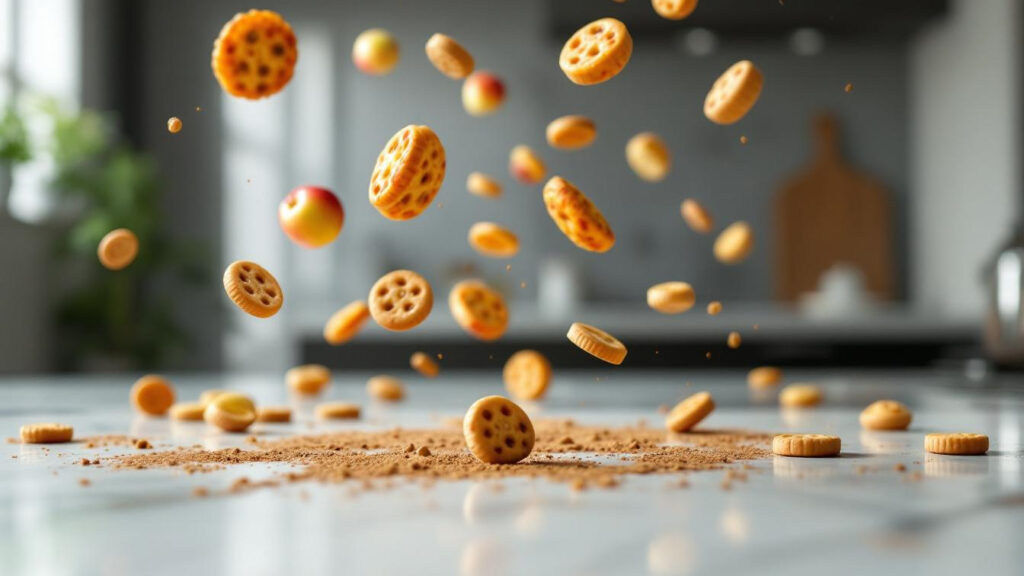

For years, the infamous five-second rule has provided a comforting excuse for food lovers who drop their snacks on the floor. But recent research reveals this popular belief may be more myth than fact. Food scientists have uncovered that bacteria contamination can occur far more quickly than many anticipated, challenging the notion that food is safe to eat as long as it is picked up within five seconds. With findings backed by rigorous scientific research, the message is clear: it’s time to rethink what happens when food meets the floor.
The Science Behind the Five-Second Rule
According to Donald Schaffner, a food scientist from Rutgers University, the classic idea of the five-second rule rests on a misleading premise: that bacteria need time to transfer from surface to food. Schaffner’s research, published in the journal Applied and Environmental Microbiology, demonstrates that bacteria can transfer to dropped food in less than one second, debunking the entire concept. This study involved testing four surfaces—stainless steel, ceramic tile, wood, and carpet—with various foods to observe how they reacted under different contact times.
What Influences Bacteria Transfer?
Several factors significantly affect how quickly bacteria can contaminate food:
- Type of Surface: Floors made of tile and stainless steel exhibited high bacteria transfer rates, while carpet significantly reduced contamination.
- Moisture Level: Wet foods, like watermelon, attract more bacteria compared to drier options like gummy candy. This indicates that the moisture acts as a carrier for bacteria.
- Contact Time: While longer contact times typically increase contamination, even the briefest contact can be enough for bacteria to latch onto food.
Understanding Food Safety and Hygiene
As this research becomes more widely known, a critical understanding of food safety emerges. While it might be tempting to disregard a piece of cake dropped on a clean floor, it’s important to consider the potential for foodborne illness. Experts suggest adopting thorough sanitation practices. This includes regularly cleaning kitchen surfaces and being mindful of food hygiene.
Real-World Implications for Your Kitchen
What does this mean for everyday experiences? Here are some practical tips for keeping your kitchen safe:
- Always sanitize surfaces before food preparation.
- Consider using mats or rugs that can be washed frequently under food prep areas.
- When food is dropped, assess the surface and cleanliness before making the decision to eat it.
The Lasting Appeal of the Five-Second Rule
Despite the science proving the five-second rule to be overly simplistic, its cultural significance persists. This rule not only provides comfort in moments of clumsiness but has also woven itself into the social fabric, offering a light-hearted way to navigate food mishaps. While it may not be scientifically valid, the humor and camaraderie it fosters can make a dropped cookie feel less like a loss.
Modern food safety and hygiene practices should evolve with our understanding of contamination. Rethinking the casual approach to dropped food can lead to healthier habits and greater awareness of foodborne risks. Stay savvy in your kitchen, and feel empowered to take the necessary precautions for your well-being.