
As the aroma of roasting chicken fills the air, many home cooks might unknowingly engage in a practice that jeopardizes their family’s health. With foodborne illnesses on the rise, it’s critical to examine the cooking methods that have been passed down through generations, particularly the habit of rinsing raw chicken before cooking. This common belief, aimed at ensuring cleanliness, is actually one of the most dangerous mistakes one can make in the kitchen. Experts from the CDC and USDA warn that washing chicken is not only unnecessary but can spread harmful bacteria like salmonella and E. coli throughout your kitchen, increasing the risk of bacterial contamination.
Despite decades of expert warnings, many continue this risky ritual, often believing it enhances safety. However, food safety experts urge a reconsideration of this routine to prevent potential illness. The invisible mist of bacteria that can travel up to three feet just by rinsing chicken is alarming. Switching to safer practices not only protects your health but can also enhance the cooking process itself, making chicken dishes consistently delicious. Here’s what you need to do to keep your kitchen safe and your meals savory.
Stop the Dangerous Practice: Never Wash Raw Chicken
Rinsing raw chicken may seem like a good idea, but it’s a hazardous mistake. When you wash chicken, splashes can lead to bacteria transferring to your countertops, utensils, and other foods. Instead, simply remove the chicken from its packaging and pat it dry with paper towels. This not only mitigates risks but also helps achieve that golden, crispy skin we all crave.
Understanding the Risks
Health officials stress that washing raw chicken does not effectively remove harmful bacteria. Instead, it increases the likelihood of cross-contamination. According to experts, products like salmonella, present in more than 10% of chicken samples, thrive in kitchens where appropriate safety measures are overlooked. Eliminating the rinse step is a fundamental way to enhance food safety.
Preventing Cross-Contamination in the Kitchen
Using the right tools in the kitchen is essential for maintaining food safety. One major misstep is using the same cutting board for raw chicken and other foods. To combat this, follow these guidelines:
- Utilize separate cutting boards for raw meat and produce.
- Choose non-porous materials like plastic for raw chicken.
- Ensure cutting boards are cleaned thoroughly with hot, soapy water after each use.
- Replace any boards that show deep scratches, as bacteria can linger in those grooves.
Check Internal Temperatures for Safe Cooking
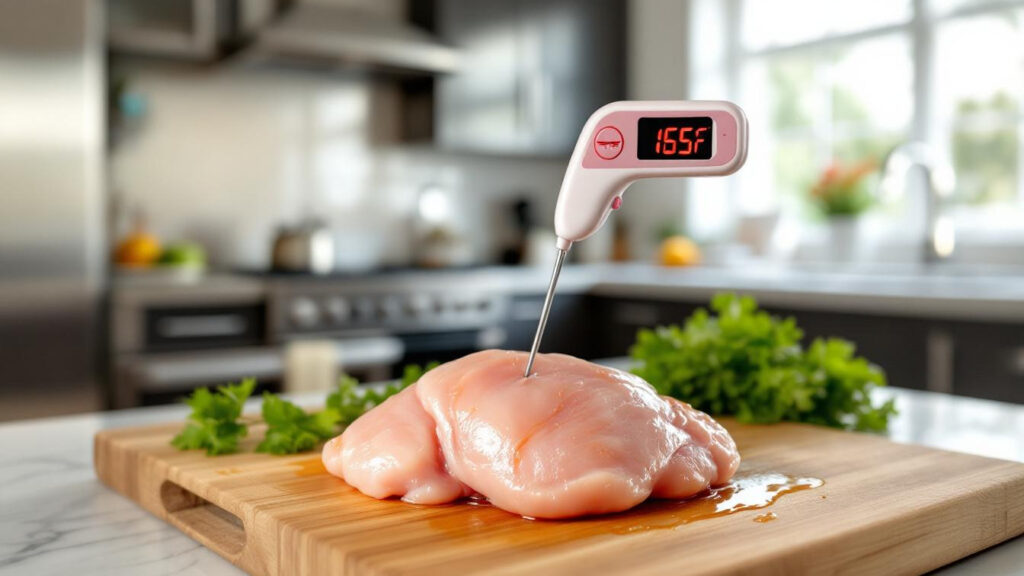
Guessing when your chicken is done is another critical mistake. The only way to guarantee safety is to use a meat thermometer. Insert it into the thickest part of the chicken; it should read at least 165°F to eliminate unsafe bacteria.
Thawing and Cooking: Best Practices
Proper thawing is equally important. Never leave chicken out at room temperature. Instead, opt for these methods:
- Thaw in the refrigerator a day before cooking.
- Use cold water, changing it every 30 minutes.
- If in a hurry, the microwave can be used but cook immediately afterward.
Remember, cooking methods also play a crucial role. Avoid overcrowding pans to ensure even cooking. Allow chicken to rest for several minutes after cooking; this redistributes juices, keeping it moist and flavorful.
Proper Storage and Handling of Chicken
Even before cooking begins, improper storage can lead to issues. Always keep raw chicken on the bottom shelf of your fridge to prevent drips onto other foods, and store it in airtight containers. For long-term storage, ensure it is tightly wrapped to prevent freezer burn. Label packages with dates, consuming frozen chicken within 9-12 months for optimal quality.
By implementing these simple yet effective food safety practices, home cooks can enjoy delicious chicken dishes without risking their health. The shift from outdated habits to safe cooking techniques ensures that every meal is not only tasty but also safe, allowing families to savor their time together without worry.