
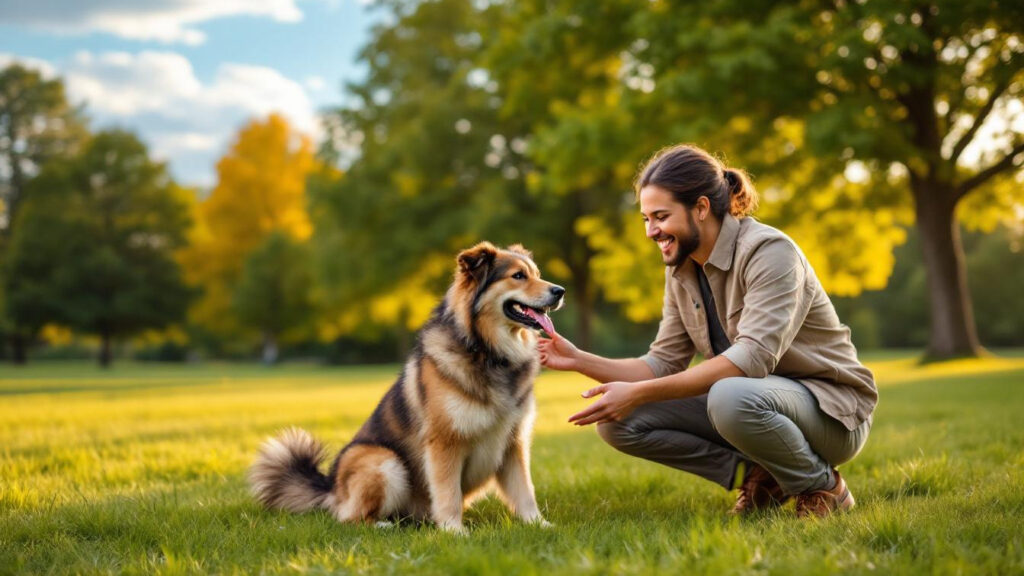

Walking your dog off-leash is not just about freedom; it’s a testament to the trust and control you both share. Many pet owners dream of that moment when their dog confidently trots alongside them, exploring the world without a leash tugging at their collar. However, this idyllic scene doesn’t happen overnight. It requires a structured approach to training and a strong foundation in dog obedience. Dog trainers across the country are highlighting a practical three-week method aimed at transforming your pup into an off-leash walking companion. This isn’t just about letting your dog run free; it’s about teaching them essential skills and building a solid bond that ensures their safety.
In the next three weeks, you’ll delve into a series of focused exercises designed to enhance your dog’s responsiveness and reliability. From mastering basic commands to creating a safe environment for off-leash adventures, this method addresses the key aspects of effective pet training. By emphasizing positive reinforcement, you not only motivate your dog but also solidify their understanding of commands and behaviors. Whether you’re a seasoned dog owner or a newcomer, this training technique will provide practical steps towards mastering off-leash walking, ensuring that your dog behaves well in various environments and situations.
Understanding the Fundamentals of Off-Leash Training
Before embarking on the journey of off-leash walking, it’s vital to establish a firm grasp on dog obedience. Start by ensuring your dog is comfortable with commands like “sit,” “stay,” and “come.” Command familiarity acts as a crucial safety net when out and about. Practicing these commands in calm, distraction-free environments lays the groundwork for a successful off-leash experience.
Building a Reliable Recall
Introducing a solid recall command will be essential. Practice in quiet areas initially, rewarding your dog with high-value treats when they return to you. This positive reinforcement method strengthens their desire to respond to your call. Ensure that training sessions are viewed as a fun game for your dog. For example, when your dog responds correctly, celebrate their success with enthusiastic praise and playtime.
Creating a Controlled Environment for Training
Choose a safe, enclosed area for initial off-leash training exercises. A fenced yard or dog park can be ideal, allowing your dog to explore without the risk of distractions or hazards. This controlled setting will help both you and your dog build confidence.
Using Positive Reinforcement
- Rewards: Keep treats handy for immediate reinforcement when your dog follows commands.
- Consistency: Regularly reward good behavior to establish a clear understanding of expectations.
- Timing: Praise and treat your dog immediately after they perform a desired behavior to strengthen the connection.
Gradually Introducing Distractions
After mastering basic commands, challenge your dog by introducing mild distractions in your practice sessions. This could mean other dogs or people at a park. Monitor how they respond and adjust the environment accordingly. The aim is to ensure that your dog maintains focus on you, regardless of external stimuli.
Increasing Training Challenges
As your dog becomes comfortable with distractions, gradually increase their complexity. Include faster-moving objects, sounds, or varying environments during walks. This not only sharpens their focus but also helps them adapt to real-world scenarios.
Safety Measures for Off-Leash Training
While off-leash walking can be thrilling, safety remains paramount. Always assess your dog’s temperament before allowing off-leash excursions. Ensure that the environments you choose are free of potential dangers such as heavy traffic or aggressive animals. It’s prudent to have a plan in place, and consider using a long leash during these outings for extra security.
Addressing Setbacks
Even well-trained dogs may occasionally stray. If this happens, remain calm and use a friendly, upbeat tone to call them back. Offer abundance in praise and rewards for their return. Remember, consistency and positive energy are your allies in ensuring your dog knows they’ll receive encouragement for listening to you.
Final Steps Towards Mastering Off-Leash Walking
As your dog progresses, continue reinforcing their skills with regular practice in varied settings. Remember that every outing serves as an opportunity to build their confidence and reliability. The goal is for your dog not only to enjoy the freedom of off-leash walking but also to constantly respond to you, reinforcing that bond of trust.
Creating Advanced Training Scenarios
Once the basics are mastered, consider higher-stakes environments such as busy parks or community events. Use this chance to teach your dog advanced commands like “place” or “stay” in these dynamic situations. This type of training strengthens their obedience under pressure and further enhances their off-leash capabilities.
By sticking to this structured three-week method and prioritizing safety and consistency, pet owners can build an incredible foundation for off-leash walking that benefits both their dog and themselves.