
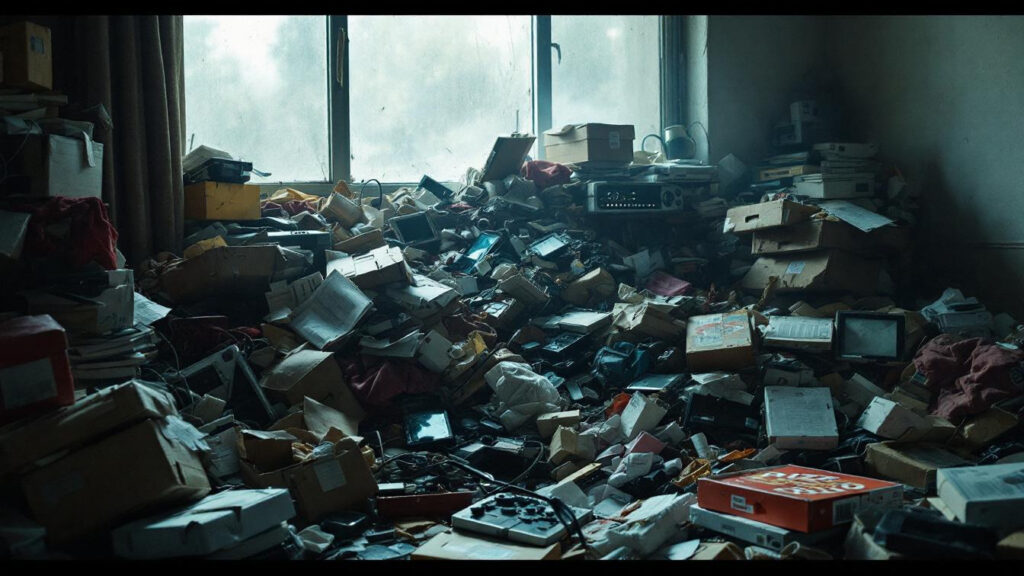

After the stressful process of eviction due to unpaid rent, landlords often face an unexpected aftermath: the tenant’s abandoned belongings. While dealing with these items may seem like another hassle, understanding the legal landscape is crucial. Each state has its own rules governing how to handle such possessions, shedding light on what a landlord can or cannot do. From inventorying items to notifying the tenant, there are specific steps that must be followed to protect both the tenant’s rights and the landlord’s legal standing. This process often reveals surprising insights into the value of forgotten goods, necessitating a careful approach to avoid potential disputes.
Understanding Tenant Property Rights After Eviction
When a tenant is evicted, the handling of their belongings is subject to specific legal provisions. Generally, these laws require landlords to provide written notice to the tenant about the abandoned property, allowing them a set timeframe—usually between 15 and 30 days—to retrieve their items. Failure to follow this process can expose landlords to liability for wrongful disposal or damages. It’s essential to note that even if the belongings seem worthless to the landlord, they may still hold significant value for the tenant.
Important Steps When Handling Abandoned Belongings
Firstly, it’s critical to document everything. An accurate inventory list protects landlords by proving what items were left behind. Additionally, storing the items securely is vital, whether on-site or at another location. Be well aware of local rules that may dictate the necessary duration for keeping these items, which can vary widely.
- Create a detailed inventory of all items left behind.
- Secure the belongings in a safe location.
- Notify the tenant in writing, detailing how and when they can retrieve their items.
What Happens If The Tenant Doesn’t Claim Their Property?
If the tenant fails to retrieve their belongings within the specified timeframe, landlords are generally allowed to sell or dispose of the items. However, this action must be executed according to local laws. In some jurisdictions, the proceeds from any sale can be used to cover unpaid rent or storage costs before being returned to the tenant. Thus, it’s not just an issue of clearing out space; it’s also about navigating the legal requirements smoothly to mitigate any risk of a rental dispute.
Liability and Potential Pitfalls
Landlords should be acutely aware of their responsibilities during this process. Failing to follow legal procedures can lead to unexpected liabilities. If a tenant successfully claims that their property was disposed of without proper notice or due process, it can result in a lawsuit. Thus, understanding local eviction laws is crucial to avoid pitfalls that could arise from negligence.
- Document every step taken during the eviction and storage process.
- Keep communication records with the tenant regarding their belongings.
- Have a clear plan for the storage and potential sale of items left behind.
Securing Your Future as a Landlord
To prevent similar situations, landlords should include clear language in lease agreements regarding the handling of abandoned property. This helps set expectations and outlines responsibilities for both parties. Clauses detailing disposal fees, notice requirements, and storage timeframes can ensure smoother transitions, minimizing the chaos following an eviction.
Even after eviction, the tenant’s rights to their personal belongings must be respected. Landlords who are diligent and informed can navigate these often-overlooked aspects of property management while ensuring they protect their own interests as well.