
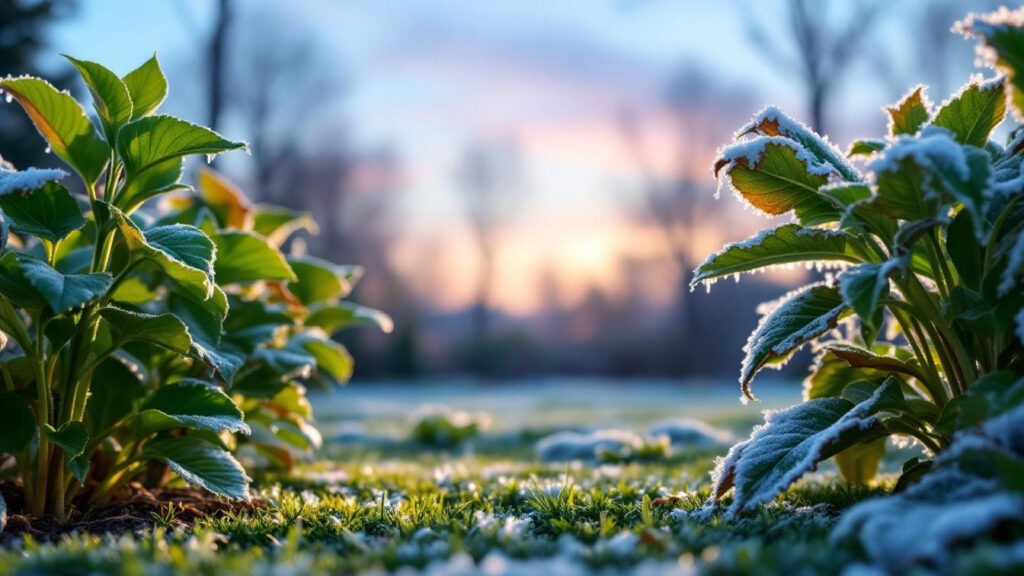

As winter approaches, many gardeners face a common enemy: the cold front. These sudden temperature drops can wreak havoc on your garden plants, often leaving devastation in their wake overnight. Understanding the mechanics behind how frost forms and its effects on plants is crucial for anyone who wants to protect their green spaces. A meteorologist’s insights shed light on the science behind these chilly nights, detailing why certain plants are particularly vulnerable and how you can prepare your garden to weather the storm.
The Science Behind Frost and Plant Damage
When nighttime temperatures plummet, frost forms as moisture in the air freezes. As lovely as that frosty coating may look, it signals disaster for sensitive plants. Here’s what happens:
- Freezing of Plant Cells: Plants contain water-rich cells. When temperatures dip below freezing, the water inside these cells can crystallize, leading to ruptured cell walls. This results in tissue collapse and often plant death.
- Interrupted Water Flow: Even if a plant doesn’t freeze solid, ice can block water movement within stems and soil, resulting in wilting and eventual death.
- Sudden Temperature Changes: Rapid declines, especially after warmer days, give plants little time to adjust, leading to severe stress and injury.
- Evergreen Dehydration: Cold winds can dry out evergreen leaves, making them brittle and brown.
Identifying Which Plants Are Most at Risk
Tender annuals, young seedlings, and tropical plants typically face the highest risks from frost. Additionally, new growth on perennials can be jeopardized by late frosts. Understanding which plants are vulnerable allows for better protection strategies.
Effective Strategies for Plant Protection
No gardener needs to endure the heartbreak of plant loss when the temperatures drop. Here are some proven methods to protect your garden:
- Cover Plants for the Night: Use frost cloths or even old sheets to shield plants before nightfall. Be sure to lift covers in the morning to let plants breathe.
- Water Before a Freeze: Moist soil retains heat better than dry soil, so watering in the afternoon can help keep roots warm.
- Apply a Generous Layer of Mulch: Mulching acts as an insulator for soil and roots, helping to maintain a more stable temperature.
- Move Potted Plants Indoors: Bringing potted plants inside or to a sheltered area can provide crucial warmth during cold snaps.
- Use Cloches or Mini Greenhouses: These small structures can protect individual plants, acting as mini habitats that retain warmth.
- Select Cold-Hardy Varieties: If your area regularly experiences frost, choose plants that are naturally resistant to cold conditions.
- Avoid Late-Season Pruning: Pruning encourages new growth, which is more susceptible to frost damage. It’s best to wait until spring.
Post-Frost Care: What to Do
If a frost does occur, resist the urge to prune immediately. Damaged leaves can actually help protect the plant from further stress. Give the plant time to recover. Many resilient species will bounce back with the arrival of warmer weather.
Concluding Thoughts on Gardening During Cold Fronts
While frost may feel like a cruel twist of winter, with a little knowledge and careful planning, it’s possible to protect your garden plants from its chilling grasp. Embrace plant protection strategies, plan for sudden temperature changes, and choose the right species to allow your garden to flourish—even in the harsher months.