
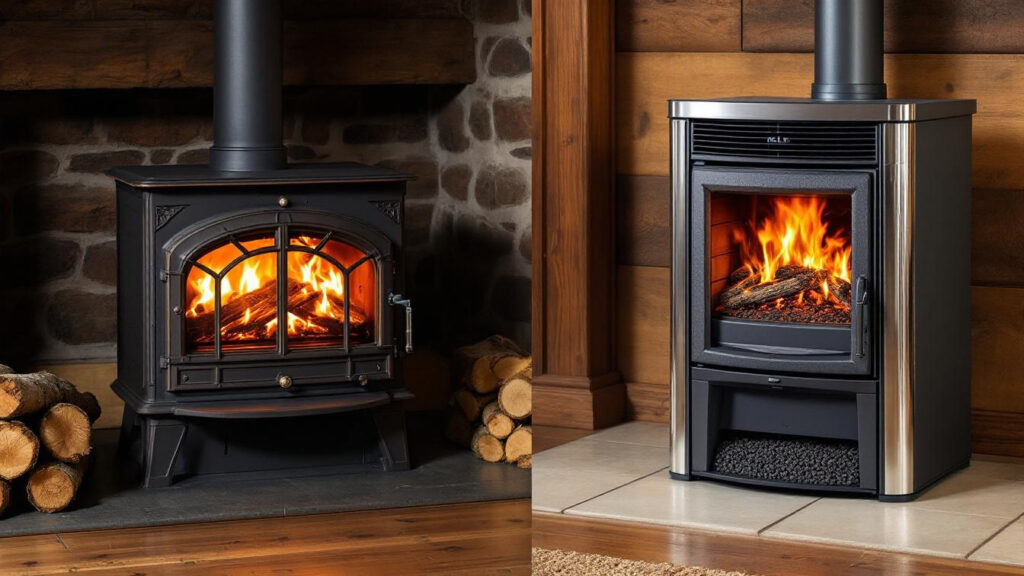

As homeowners face rising heating costs and the challenge of energy efficiency, the debate between wood stoves and pellet stoves emerges as a crucial topic. Both options provide warmth during the harsh winter months, but they come with distinct advantages and drawbacks, especially regarding fuel costs and energy efficiency. In 2026, with the U.S. Energy Information Administration anticipating increased heating prices, more consumers are considering which stove could save them the most money over time.
Cost of Purchase and Installation
When it comes to initial investments, wood stoves generally require more complex installation. They have more extensive venting requirements compared to pellet stoves, which can lead to higher costs and effort during setup. The average price for purchasing and installing a wood stove can be approximately 25% higher than a pellet stove.
On the other hand, pellet stoves offer greater flexibility in installation. They can often vent directly through an exterior wall using smaller pipes, making installation more straightforward and cost-effective.
Fuel Costs and Accessibility
Understanding ongoing fuel costs is crucial for making an informed decision. When evaluating wood stoves, homeowners with access to free firewood can benefit immensely. However, if purchasing wood, costs can vary significantly by region — averaging around $300 per cord in many areas.
In contrast, pellets, manufactured from compressed sawdust and small wood chips, typically cost about $350 per ton. Though this represents a higher upfront cost than wood, the efficiency of pellet stoves can help mitigate this discrepancy over time.
Efficiency and Heat Output
Both wood and pellet stoves have specific efficiency ratings that can influence long-term savings. New EPA-certified wood stoves are designed to burn up to 50% cleaner than older models, releasing between 2 and 7.5 grams of smoke particulates per hour. While they provide high heat outputs, maintaining consistent temperatures can be challenging, requiring regular attention.
Conversely, pellet stoves excel in energy efficiency due to their automated fuel-feeding systems, allowing for precise temperature control and lower emissions—often less than one gram of particulates per hour. This can make them more effective than wood stoves for many homeowners.
Environmental Considerations
As awareness of environmental impacts grows, the ecological footprint of heating systems becomes essential. Wood stoves, while still more sustainable due to their use of renewable resources, typically emit more pollutants than pellet stoves. The quality of wood burned can also affect emissions levels.
Pellet stoves, however, are considered more efficient in reducing CO2 emissions and particulates. They utilize waste wood products, contributing to recycling efforts. Despite these benefits, it is important to assess the energy needed for producing and transporting pellets, as this can offset some environmental advantages.
Safety Aspects to Consider
Safety is paramount when using any heating appliance. Wood stoves can pose more risks due to the unpredictable nature of burning whole logs, which can lead to sparks and potential fires from creosote buildup. Regular maintenance and annual inspections are vital to ensure safe operation.
Pellet stoves are generally safer thanks to their enclosed combustion systems, which minimize spark risks. However, they do rely on electricity for operation, necessitating backup solutions during power outages.
Which Stove Is Right for You?
Ultimately, your choice between a wood stove and a pellet stove should align with personal heating needs and budget. Those with abundant wood resources might find wood stoves more economical in the long run. Meanwhile, families looking for consistent heating and greater safety may gravitate towards pellet stoves.
As the winter 2026 heating season unfolds, understanding the differences between these stove options can empower homeowners to make a choice that suits their lifestyle and financial goals.
- Assess your available fuel sources.
- Calculate the long-term costs of installation and operation.
- Consider your specific heating needs for consistent comfort.
- Review local emissions regulations and incentives for cleaner stoves.