
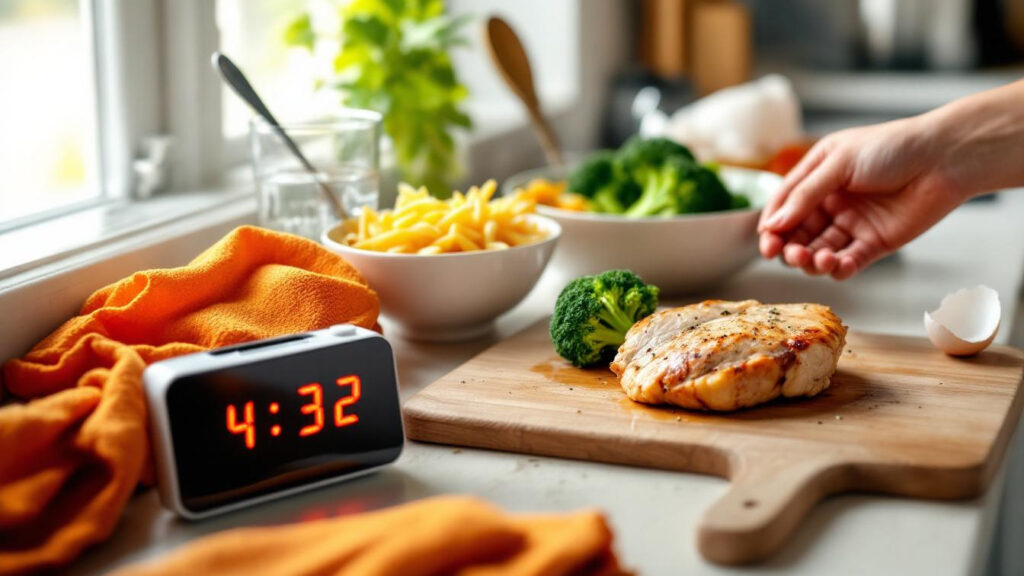

Understanding food safety can feel overwhelming, especially when it comes to leftovers. Many people unknowingly leave their food out for hours, often believing that it’s still safe to consume. However, this illusion of safety can lead to serious health risks, including food poisoning. As recent discussions with food safety experts reveal, certain common foods like rice and pasta pose particular dangers when they’re allowed to sit at room temperature for too long. This is not just about comfort; it involves understanding how bacteria can flourish in what is known as the temperature danger zone, where pathogens thrive and multiply. Failure to manage these leftovers properly can lead to distressing health consequences, like gastroenteritis, that are all too common, especially during busy cooking seasons.
The Hidden Dangers of Leftovers
Every time food is prepared and served, there’s a risk of food contamination. Bacteria like baccilus cereus are often present in starchy foods such as rice and pasta, which can lead to serious foodborne illness if left out at room temperature. Even more concerning, some bacteria produce toxins that remain harmful despite reheating. This situation can ignite real fears among food lovers who want to enjoy their meals without compromise. Experts clearly recommend refrigerating leftovers quickly, ideally within two hours of serving, to minimize these risks effectively.
Understanding Bacteria Growth
Food safety experts outline that harmful bacteria thrive in a temperature range between 40°F and 140°F. This is often referred to as the temperature danger zone. Leftovers that linger in this zone long enough can lead to serious health hazards, including nausea and diarrhea, arising from the consumption of spoiled food. For instance, keeping foods out too long can cause strains like Clostridium perfringens to proliferate in meat and dairy products, which is responsible for nearly a million foodborne illnesses annually in the U.S.
What’s crucial to note is that some bacteria can produce spores that survive cooking. Hence, it’s not enough to simply reheat food; those spores can reactivate once the food cools down, making it vital to store leftovers in a refrigerator or freezer right after meals. Keeping high-protein foods out for extended periods increases the risk of foodborne illnesses.
Practical Tips for Leftover Safety
To avoid the risks associated with improper leftover storage, here are essential tips:
- Set a Timer: After serving food, aim to refrigerate leftovers within two hours.
- Use Shallow Containers: Store food in shallow containers to promote rapid cooling.
- Keep It Cool: Ensure your refrigerator is set at 40°F or below.
- Reheat Properly: Always reheat leftovers to at least 165°F before consuming.
- Healthy Habits: Regularly sanitize kitchen surfaces to reduce cross-contamination.
Common Misconceptions about Leftovers
Many believe that if food looks and smells fine, it should be safe to eat. However, bacteria can be present even when food appears normal. This discrepancy often leads to unfortunate outcomes. Experts emphasize that improper food storage continues to be one of the leading causes of foodborne illnesses. Awareness and practicing proper safety measures not only ensures a better dining experience but also protects overall health.
Ultimately, keeping leftovers safe is a matter of vigilance and adherence to food safety principles. Whether hosting large gatherings or simply enjoying a quiet dinner, understanding and implementing these tips can greatly reduce the risk of food poisoning. Remember, being proactive with food safety can make all the difference in your culinary enjoyment!