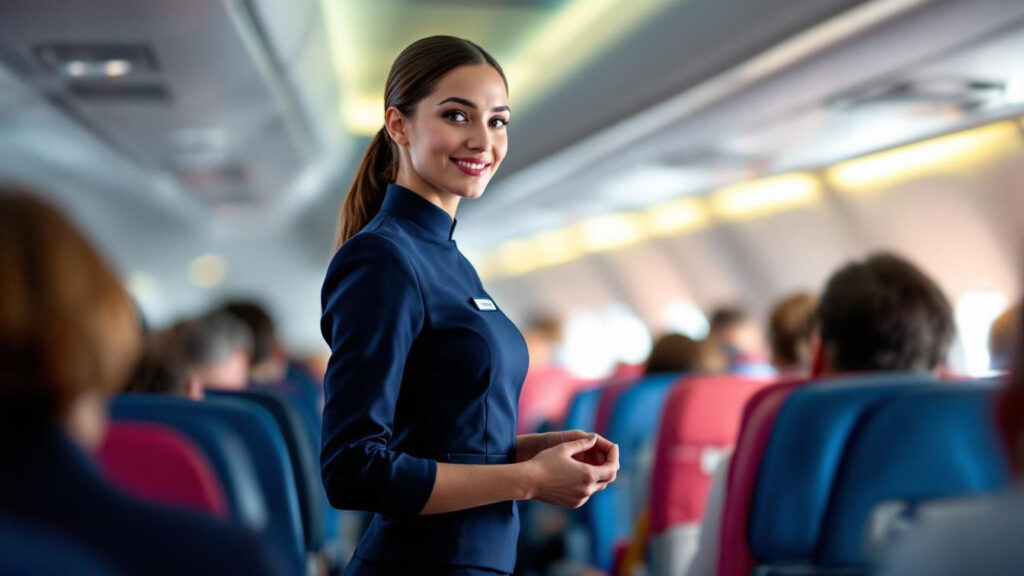

When you step onto an airplane, the flight attendant isn’t just greeting you out of politeness; they’re conducting a minute-by-minute assessment of you. This quick evaluation encompasses various aspects of your demeanor, luggage, and even your general appearance. With hundreds of passengers boarding daily, flight attendants rely on their sharp observational skills to determine how to ensure a smooth flying experience for everyone on board. Understanding these nuances can be invaluable for travelers aiming to enhance their airport interactions and contribute to a more pleasant flying atmosphere.
First Impressions Matter in Air Travel
Your initial presentation starts the moment you walk down the aisle. Flight attendants are trained to keenly observe your passenger demeanor, which can hint at your level of travel experience and comfort. Confident travelers walk briskly, clearly knowing their destination. In contrast, those who appear anxious might check their boarding pass repeatedly or wander aimlessly. Notably, any visible signs of distress or imbalance might hint at underlying issues, whether that’s inebriation or a medical condition requiring mild attention during the flight.
Your Carry-On Behavior Reveals A Lot
Handling luggage effectively offers insights into your travel preparation. Experienced flyers manage their bags effortlessly, lifting them into overhead bins with ease. Conversely, flight attendants quickly identify passengers with oversized or overly heavy bags, often indicating a lack of familiarity with airline regulations. This simple observation helps staff assess who might require additional assistance during the boarding process.
Interactions Set the Tone
The way you greet airline staff when boarding creates a lasting impression. Courteous passengers who engage in eye contact and offer a friendly hello often find that flight attendants reciprocate with higher levels of customer service throughout the journey. Conversely, dismissive or rude behavior can lead to a more stringent enforcement of rules, as flight attendants tend to pay closer attention to those who exhibit entitlement from the get-go.
Identifying Signs of Pre-Flight Drinking
Flight attendants are skilled at spotting signs of pre-flight drinking, which can pose serious risks at altitude. Indicators such as the smell of alcohol, slurred speech, or bloodshot eyes raise alarm bells for staff. Such observations allow them to assess who may require additional monitoring during the flight or who might be refused further alcohol service.
Deciphering Your Clothing Choices
The attire you choose can provide flight attendants with clues about your travel mindset and preparedness. For instance, passengers dressed in layers often adapt well to varying temperatures during the flight. However, those in less practical clothing, like flip-flops, may appear ill-equipped for unexpected situations. Furthermore, flashy jewelry or accessories that could interfere with safety protocols are also taken into consideration.
Your Regulated Behavior During the Boarding Process
Flight attendants monitor how well passengers follow boarding procedures, vital for maintaining order. Those who listen attentively and comply with directions indicate they are likely to follow safety measures during emergencies. Passengers who ignore basic requests or engage in arguments about rules may be red-flagged as potential troublemakers, prompting flight attendants to keep a closer eye on them throughout the flight.
Observing Interactions Among Passengers
How travelers treat each other is closely scrutinized. Flight attendants recognize those who exhibit kindness and consideration while boarding, as opposed to individuals who act impatiently or aggressively. This dynamic is crucial; travelers who initiate conflicts upon entry often continue to display unruly behavior during the flight. Keeping track of these interactions helps flight attendants preemptively manage any disruptions that may arise later on.
Technology and Passenger Compliance
Lastly, your handling of personal technology during boarding draws attention. Passengers who promptly switch their devices to airplane mode demonstrate compliance, while those who resist often signal a tendency to push boundaries. Flight attendants notice individuals who debate electronic protocols, as these behaviors may mirror how they approach other safety procedures in-flight. This insight further helps in assessing each passenger’s potential for following guidelines later in the journey.
- Maintain a calm demeanor while boarding for better service.
- Follow luggage restrictions to avoid complications.
- Dress appropriately for your flight conditions.
- Engage positively with crew members and fellow passengers.
- Adhere to all electronic device rules for a smooth boarding experience.