
As pickleball surges in popularity, the number of injuries related to the sport has skyrocketed. In just a few short years, participation in pickleball has nearly doubled, attracting players from all age groups. However, rising injury rates, reportedly tripling in some demographics, have turned the spotlight on a common habit many players exhibit: inadequate warm-up routines. This alarming trend is raising concerns among orthopedic surgeons who warn that neglecting proper preparation can lead to severe physical consequences. Understanding the nature of these injuries and how to effectively prevent them is essential for enjoying this exhilarating game safely.
Understanding the Surge in Pickleball Injuries
The explosive growth of pickleball, which combines elements of tennis, badminton, and ping-pong, has drawn millions of players into the fold. Current statistics reflect a leap from 4.8 million players in 2021 to 8.9 million in 2023. This rapid increase has coincided with a sharp rise in injuries, specifically among older adults who often take up the sport without adequate physical conditioning. Despite its reputation as a low-impact activity, the game involves quick lateral movements, abrupt pivots, and repetitive overhead swings that can easily lead to overuse injuries.
The Most Common Pickleball Injuries
Users often experience injuries in key areas such as the back, neck, knees, and shoulders. Here are the common injuries players face:
- Back Strains: Lower back strains are prominent due to repetitive twisting and incorrect posture.
- Neck Strains: Poor posture and sudden movements can lead to cervical strain and pinched nerves.
- Shoulder Injuries: Repetitive actions like serves can result in rotator cuff tendonitis or even tears.
- Knee Problems: Pressure on knees from quick pivots and stops leads to meniscus tears and tendonitis.
What Orthopedic Surgeons Recommend for Prevention
To combat this surge in injuries, orthopedic surgeons stress the importance of proper preparation. Here are several key recommendations:
- Warm Up Effectively: Dynamic stretches and light aerobic activities should precede play.
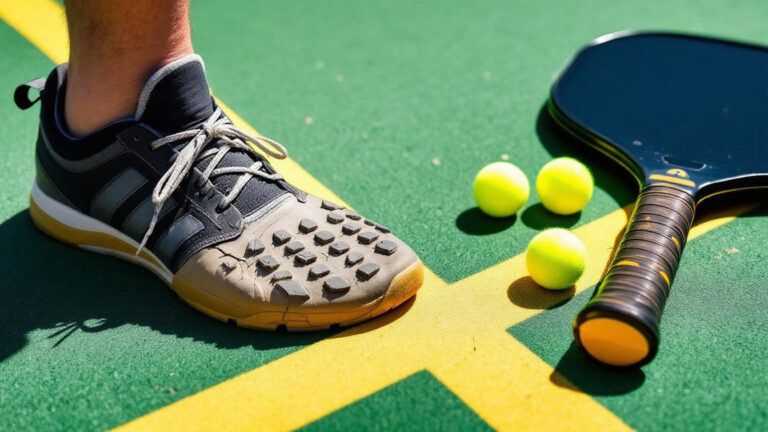
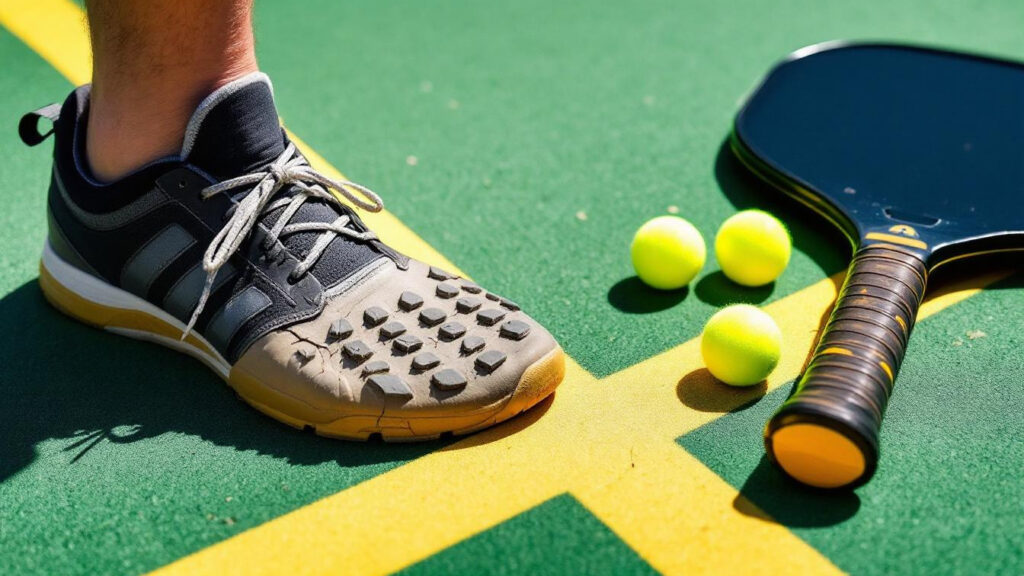
- Footwear Matters: Invest in quality shoes designed for court sports to provide adequate support.
- Build Strength: Focus on strengthening core muscles, glutes, and shoulders to enhance stability.
- Practice Technique: Work on proper playing mechanics with a coach or experienced player.
- Rest and Recover: Allow your body adequate rest between playing days.
Rehabilitation and Recovery Options
Injuries can happen despite taking preventive measures. Fortunately, many pickleball-related injuries can be managed effectively without surgery. Options include:
- Physical Therapy: Tailored exercises can strengthen weakened areas and improve flexibility.
- Anti-Inflammatory Medications: These can help reduce pain and swelling associated with injuries.
- Manual Therapy: Techniques like massage can alleviate tightness and restore mobility.
- Joint Injections: Treatments such as corticosteroids may be suggested for inflammation.
With the right approach, players can stay healthy and continue to enjoy this exciting sport. By prioritizing prevention, understanding common injuries, and embracing rehabilitative practices, athletes can enhance their pickleball experience while minimizing risks. Staying informed and proactive is key to a long and enjoyable journey on the pickleball court.