
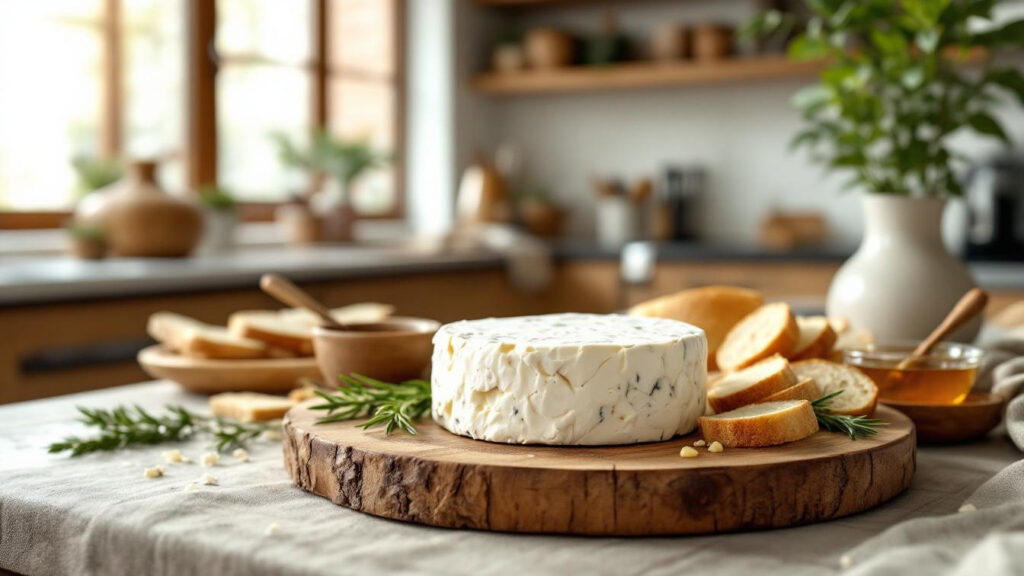

In the ever-evolving landscape of gourmet dining, goat cheese has emerged as a star, captivating chefs and foodies alike. No longer the underdog, this soft cheese is gracing the cheese boards of starred restaurants across the nation, proving that it deserves a place in the spotlight. The appeal lies not just in its distinctive flavor, which ranges from tangy and fresh to complex and nutty, but also in its versatility—making it a favorite in a variety of culinary applications. As culinary innovation continues to trend, goat cheese is enjoying heightened popularity, transforming menus and elevating dishes to new heights.
The Rise of Goat Cheese in Starred Restaurants
Gone are the days when goat cheese was relegated to the sidelines. Its unparalleled ability to enhance flavors has chefs embracing it on every level. Creamy fresh goat cheese, often referred to as chèvre, brings a zesty brightness to salads and spreads. Meanwhile, aged varieties offer rich, concentrated flavors, ideal for pairing with robust wines or crafting sophisticated cheese plates. Not to mention, its adaptability allows for creative pairings with seasonal ingredients, making it a staple in today’s modern kitchens.
The Versatility of Goat Cheese Varieties
Goat cheese comes in a multitude of forms, each bringing its own unique flavor profile to the table:
- Fresh Goat Cheese (Chèvre): Often soft and spreadable, it enhances salads, crackers, and pastries with its tangy bite.
- Soft-Ripened Varieties: Cheeses like Humboldt Fog feature a creamy texture and earthy notes, ideal for cheese boards.
- Aged Goat Cheese: These firm, complex cheeses develop nutty and caramel-like flavors, suitable for grating over pasta or enjoying with wine.
- Blue Goat Cheese: With a bold, spicy kick, this variety elevates salads and sauces, making a striking addition to any dish.
Cheese Pairing: Elevating Your Culinary Experience
Understanding how to pair goat cheese with complementary flavors enhances the entire dining experience. Here are some effective pairings to consider:
- Fresh Goat Cheese: Pair with crisp whites like Sauvignon Blanc or fruit-forward reds for a delightful balance.
- Aged Varieties: Match with fuller-bodied wines such as Cabernet Sauvignon or rich Port for an indulgent combo.
- Blue Goat Cheese: Accompany with sweet dessert wines or nutty sherries to balance its boldness.
These pairings not only showcase the cheese but also highlight the artistry of the chefs who embrace goat cheese’s unique flavors in their culinary creations.
Culinary Innovation and Goat Cheese Trends
With the rise of artisan cheese makers across America, the goat cheese market is thriving. Producers are experimenting with new aging techniques, seasonal herbs, and flavor infusions, resulting in an astounding variety of choices for consumers and chefs alike. Trends indicate a shift towards more localized and artisanal methods, where the focus is on quality and sustainable practices.
Those who consider themselves cheese connoisseurs are now avidly exploring the nuanced profiles of goat cheese, often seeking it out at farmers’ markets or specialty cheese shops. This growing appreciation has ultimately led to a broader recognition of goat cheese as a gourmet staple that no culinary scene can afford to overlook.
In summary, goat cheese is not merely a trend—it’s a culinary revolution that has taken root in the hearts of chefs and food lovers across the United States. Embracing its diverse flavors and adaptability, this cheese embodies a promising future for gourmet dining, where innovation knows no bounds.