
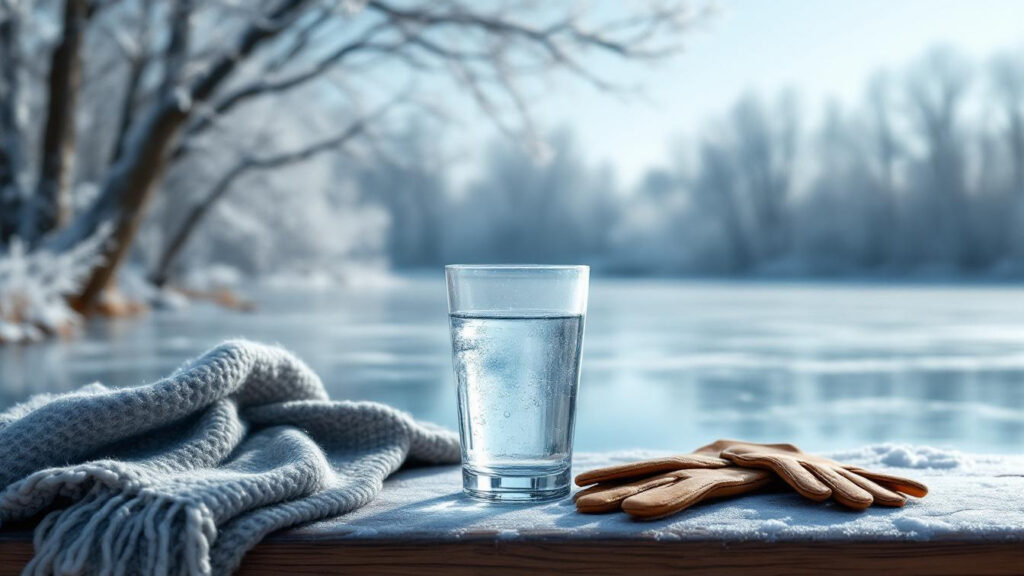

During the winter months, most people associate dehydration with the sweltering heat of summer. Surprisingly, however, cold weather poses its own unique risks that can lead to significant fluid loss. Factors such as lower humidity, indoor heating, and a decreased thirst response can result in unnoticed dehydration. This condition can manifest in subtle ways, making it crucial to understand the early signs and take proactive measures to maintain hydration. Recognizing how fluid loss occurs in winter is essential for health and well-being throughout the cold season.
Understanding Winter Dehydration: The Hidden Threat
Dehydration during winter is often overlooked, yet it can be just as detrimental — if not more so — than in summer. The absence of visible sweat and the reduced need for cold drinks leads many to underestimate their fluid needs. Activities like shoveling snow or outdoor sports can further exacerbate fluid loss. When the body doesn’t receive sufficient water, vital functions become impaired. The signs of dehydration can be subtle at first, leading to a cascade of health issues if not addressed promptly.
The Physiological Factors Contributing to Fluid Loss in Winter
Several physiological factors contribute to the higher risk of dehydration during colder months:
- Diminished Thirst Response: Cold weather often dampens the body’s thirst signals, making it easy to forget to drink water.
- Increased Respiratory Water Loss: Breathing in cold air can lead to higher amounts of water vapor loss, especially during exercise.
- Less Obvious Perspiration: Unlike the sweat that drips visibly in summer, winter perspiration evaporates quickly, often without being noticed.
Identifying Early Dehydration Symptoms in Cold Weather
Many people miss the initial signs of dehydration, which can resemble common winter fatigue or stress:
- Minor headaches
- Fatigue and lethargy
- Dizziness upon standing
- Difficulty concentrating
As dehydration worsens, symptoms may escalate to severe headaches, muscle cramps, and faintness. Monitoring urine color can be an easy way to assess hydration: dark yellow urine indicates a need for more fluids.
Combatting Winter Dehydration: Effective Strategies for Staying Hydrated
Proactively combating winter dehydration can be straightforward with these practical strategies:
- Drink Warm Fluids: Warm water, herbal teas, or broths are comforting and contribute to hydration.
- Utilize Flavored Beverages: If plain water seems unappealing, try adding citrus or opting for low-calorie sports drinks.
- Make Hydration a Habit: Carry a water bottle and set reminders throughout the day to encourage regular fluid intake.
- Focus on Hydrating Foods: Consume fruits and vegetables with high water content, like cucumbers and oranges.
Recognizing the Health Dangers of Cold Season Dehydration
Ignoring dehydration can lead to serious health consequences, ranging from kidney stones to urinary tract infections. It’s crucial to remember that hydration plays a vital role in regulating body temperature and supporting overall immune function. This is particularly important in winter when the body is already working hard to maintain warmth. By being diligent about hydration, potential health risks can be significantly reduced.
Final Thoughts: Awareness is Key to Preventing Dehydration
Winter hydration awareness is essential to safeguarding against the often-missed signs of dehydration. Understanding the unique risks posed by colder temperatures and the physiological factors influencing fluid loss can empower individuals to adopt better practices. By making a conscious effort to stay hydrated, not only is well-being improved, but the overall winter experience can become much more enjoyable.