
Light plays a crucial role in regulating our sleep quality and overall health. For years, strategies to enhance sleep have centered around the belief that darkness naturally facilitates better rest. Blackout curtains and the use of melatonin supplements became popular solutions for those seeking deeper slumber. However, emerging research suggests a shift in focus: the timing and quality of lighting can dramatically influence sleep patterns more than previously believed. By optimizing light exposure before bedtime, individuals can potentially enhance their sleep onset and quality without relying solely on traditional methods.
Understanding the Importance of Light for Sleep
The body’s internal clock, or circadian rhythm, is profoundly affected by light exposure. Natural light helps synchronize this rhythm, signaling the body when to be awake and when to rest. Unfortunately, artificial light, particularly blue light from screens, can disrupt melatonin production, which leads to difficulty falling asleep. This disruption can contribute to sleep disorders, making it crucial to reconsider how light is integrated into our evening routines.
How Lighting Influences Melatonin Production
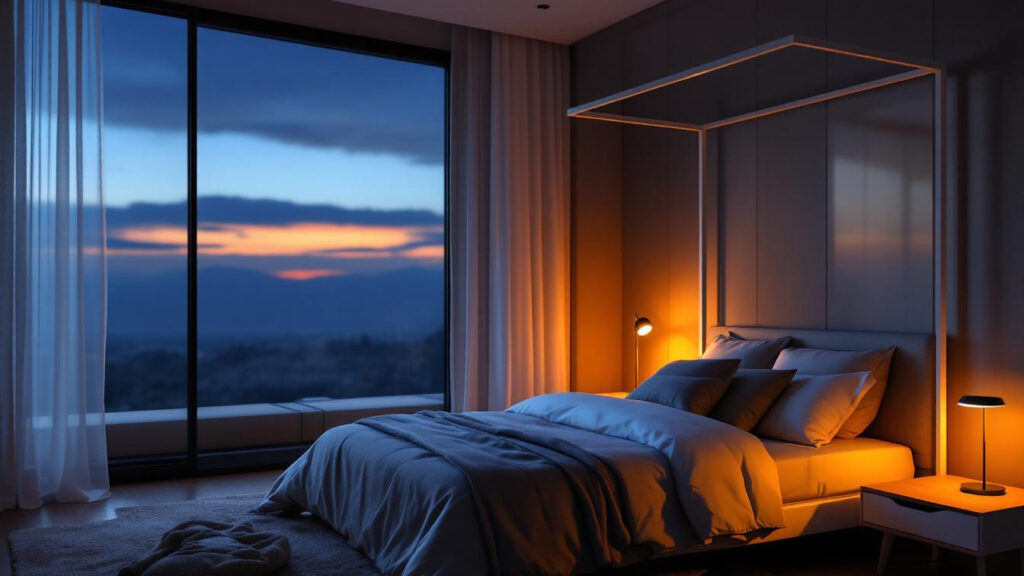
Melatonin, often dubbed the “sleep hormone,” is secreted by the pineal gland in response to darkness. When exposed to light—especially blue light—the production of melatonin decreases, making it harder to initiate sleep. Recent studies have highlighted how light exposure before bed can be manipulated to improve sleep quality. For example, using warm, dim lighting in the evening can help trigger the natural increase of melatonin, setting the stage for better rest.
New Approaches to Sleep Improvement
One innovative solution gaining traction is the use of circadian-optimized lighting. Rather than depending on blackout curtains or melatonin supplements, this technique involves gradually dimming lights in a room, mimicking a sunset to facilitate natural sleep cues. This light therapy approach promotes the body’s inherent ability to regulate effective sleep cycles, aligning better with one’s biological clock.
Practical Tips for Light Optimization
To blend lighting changes into a routine, consider the following actionable steps:
- Limit Exposure to Blue Light: Reduce screen time and use blue-light-blocking glasses during evening hours.
- Implement Dim Lighting: Use warm bulbs in the evening to create a cozy, calming atmosphere.
- Set a Lighting Schedule: Incorporate automated systems that gradually adjust light intensity as bedtime approaches.
- Incorporate Natural Light: During the day, maximize exposure to natural sunlight to help regulate circadian rhythms more effectively.
Real-World Applications of Lighting Changes
The effects of light optimization can be illustrated through anecdotal experiences. For instance, remote workers finding it challenging to maintain consistent sleep schedules benefit from strategic lighting adjustments. By switching to a circadian sleep mask that provides gradual light dimming before sleep, some individuals have reported drastic improvements in their sleep quality. Consistency in following these patterns can amplify the overall benefits considerably.
Maintaining a Healthy Sleep Environment
Creating a sleep-friendly environment is essential for optimizing the benefits of lighting changes. This includes keeping bedrooms cool and dark while ensuring that external light sources, such as streetlights, are blocked. Combining these practices with the right lighting strategies can lead to substantial improvements in sleep quality.