
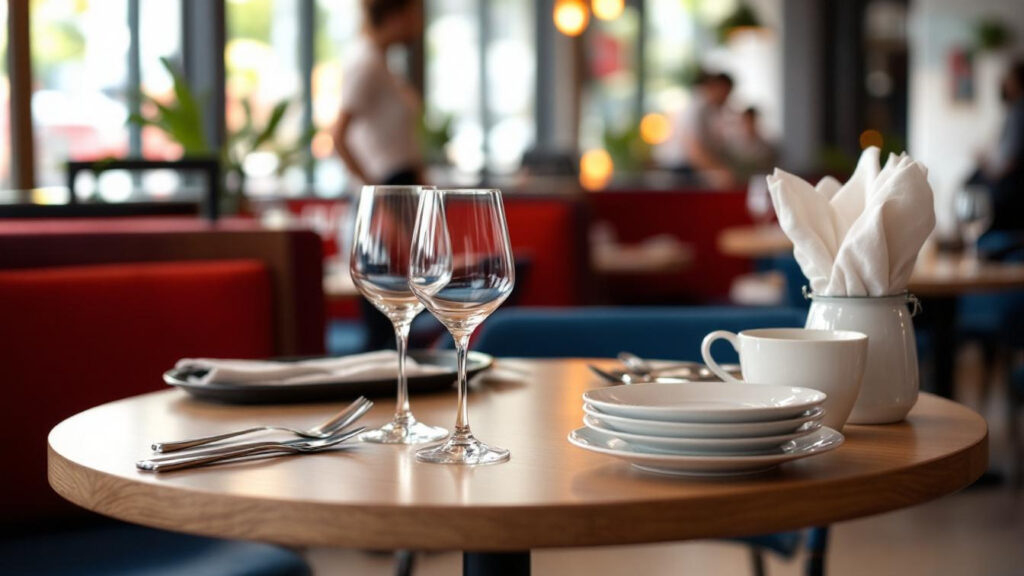

In the bustling atmosphere of restaurants, where the aroma of delicious food mingles with the sounds of laughter, diners often find themselves grappling with social norms. One common scenario is when customers feel compelled to assist restaurant servers by clearing their tables after finishing a meal. While this gesture may appear considerate, it often undermines the professionalism of servers and disregards the intricacies of their duties. Understanding this dynamic can enhance the customer experience and uphold the standards of service in the hospitality industry.
Understanding Server Duties in the Hospitality Industry
To appreciate why this issue matters, it’s important to first acknowledge the range of server duties within the restaurant environment. Servers are trained professionals who navigate complex customer interactions, manage multitasking, and provide a seamless dining experience. Each step, from taking orders to serving food and clearing tables, is part of a carefully crafted process designed to deliver optimal service.
When customers interject by stacking plates or clearing their own tables, they inadvertently disrupt this process. This not only complicates the server’s job but can also lead to potential hygiene issues. Many servers prefer to follow their established routines, developed through experience, to effectively manage cleaning and reset tables quickly.
The Psychology Behind Helping
In many instances, diners step in to assist out of a sense of politeness. However, psychological studies indicate that this behavior reveals more about societal expectations than actual helpfulness. Those who instinctively offer to clear their tables may be trying to express empathy for servers who appear overburdened. Still, what may seem like a considerate act can unintentionally signify a lack of respect for the server’s profession.
Servers often navigate complex emotions, from maintaining a friendly demeanor to managing customer expectations, all while ensuring timely service. The encapsulating aspect of emotional labor is significant, as it requires not only physical effort but also an adept handling of social interactions. Thus, unsolicited assistance can complicate their tasks rather than alleviate pressure.
Understanding Work Boundaries and Respect
Recognizing the importance of work boundaries is crucial in the hospitality industry. While the intention might be to help, patrons should consider how their actions might encroach upon the server’s responsibilities. The hospitality industry thrives on respect for each role within a restaurant. Instead of instinctively jumping in, diners can enhance the dining atmosphere by allowing servers to manage their duties as trained professionals.
To properly respect the roles of servers and contribute positively to the dining experience, here are some clear tips to keep in mind:
- Let the server do their job: Allow them to manage the table clearing process without interference.
- Communicate any special requests: If there’s a need for quicker service or special attention, express it directly to the server.
- Appreciate their hard work: Acknowledge the efforts made by the servers, whether through compliments or appropriate tipping.
- Follow service etiquette: Help maintain cleanliness by disposing of anything you can in designated areas, but leave the rest to the server.
Conclusion: Elevating the Dining Experience
Recognizing and respecting the expertise of restaurant servers contributes significantly to a more enjoyable dining experience for everyone involved. Understanding that helping to clear tables, despite good intentions, can often be counterproductive, allows diners to engage more thoughtfully with waitstaff. By appreciating their roles and supporting their professionalism, patrons can foster a respectful and positive atmosphere in the hospitality industry.