
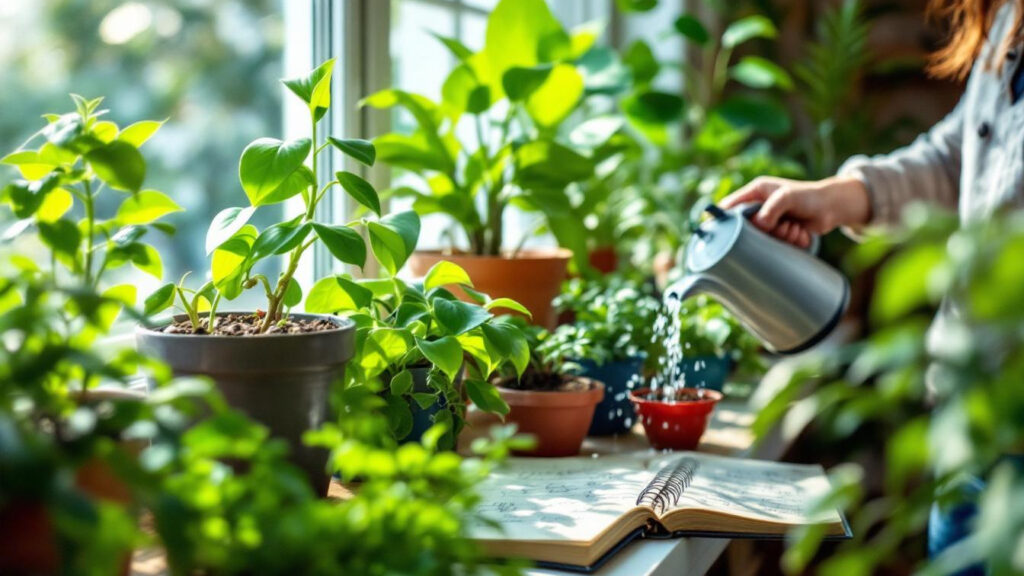

Navigating the world of gardening can often lead to unexpected challenges, especially for those just embarking on their green-thumb journey. Many new gardeners unknowingly make detrimental choices that jeopardize their plants’ health. A notorious hidden mistake—often overlooked—can be the catalyst for devastating plant loss. It often emerges when caring for plants, leading to a string of frustrating failures. However, identifying and rectifying these missteps can transform a struggling garden into a lush sanctuary. By understanding common pitfalls, anyone can shift from disappointment to inspiration, and watch their plants not just survive, but truly thrive.
Common Gardening Mistakes That Lead to Plant Failure
Many people underestimate the impact of seemingly minor choices on their garden’s health. Below are crucial mistakes that can rapidly turn a vibrant garden into a sad landscape:
- Overwatering: This silent killer drowns plant roots, leading to rot and yellow leaves. Regularly check the soil moisture before adding more water.
- Ignoring Soil Quality: Compacted and nutrient-poor soil weakens plants. Incorporate compost to enrich the soil and boost plant vitality.
- Wrong Plant Placement: Each plant has unique light and moisture needs. Place sun-loving plants in sunny spots and moisture-sensitive varieties in well-draining areas.
- Neglecting to Prune: Regular pruning promotes healthy growth and airflow, preventing disease onset.
- Failing to Adjust Care for Seasons: Plant needs change with seasons; adapting watering and care routines protects plant health.
Understanding Watering Needs
Watering strategies can make or break plant health. Overwatering often leads to root suffocation, while underwatering stresses plants. Implement a routine that checks soil moisture before watering to prevent both extremes. Using a moisture meter can help in finding that balance.
Recognizing Nutrient Deficiencies
Plants communicate distress through visible symptoms such as yellowing leaves or stunted growth. Ignoring these cues can lead to critical deficiencies. Regularly assessing soil nutrient levels ensures that necessary amendments are applied promptly.
Choosing the Right Fertilizer
Utilizing the appropriate fertilizer is essential. Each plant type has specific nutritional requirements. A balanced, slow-release fertilizer can often be the best choice to support robust growth without overwhelming plants.
- Choose natural options like compost or organic fertilizers to enhance soil biology.
- Test soil regularly to determine nutrient levels and adjust accordingly.
Routine Care and Observational Practices
Engaging with your garden regularly fosters a deeper connection and allows for timely intervention against pests or diseases. Observational practices help catch early warning signs, enabling proactive care.
Pest and Disease Management
Keeping an eye on plants helps to identify issues before they escalate. Employ strategies such as companion planting to naturally deter pests. Regular inspections can save gardens from severe infestations.
Adopting Seasonal Strategies
As the seasons change, so too should gardening methods. Plants may require different amounts of water, light, and nutrients throughout the year. Tailoring care practices ensures plants remain thriving no matter the season.
By addressing these hidden mistakes and seeking continual improvement in plant care methods, anyone, regardless of skill level, can cultivate a flourishing garden that brings joy and beauty to their surroundings.