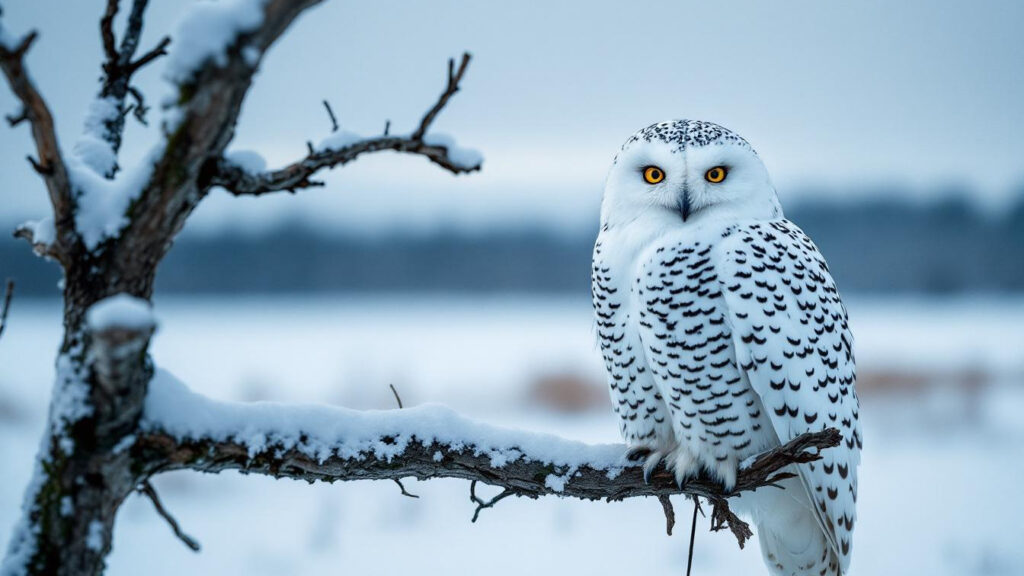

The striking snowy owl, an emblem of Arctic wildlife, has vanished from Sweden, leading to the somber declaration of its extinction in the country after nearly a decade of silence. This disappearance marks a pivotal moment for conservationists, as it highlights the severe challenges faced by wildlife amid the accelerating impacts of environmental change. Once a vibrant symbol of the northern landscape, the snowy owl has not been seen breeding in Sweden since 2015, sparking concern among researchers and wildlife advocates alike. With its distinctive white feathers and sharp yellow eyes, this predator has captivated many, but its future hangs in the balance as habitat loss and shifting climates jeopardize its survival.
The Mysterious Silence: Snowy Owls in Sweden
Once common across the northern regions of Sweden, snowy owls have seen a dramatic decline in their population. Historically, they were known to breed in this area during irregular phases, but according to conservation charity BirdLife International, the last decade has been marked by a complete absence of confirmed breeding activity. The disappearance of these majestic birds is now attributed to a combination of factors that threaten their existence, notably climate change and habitat destruction.
Factors Behind the Disappearance
The Snowy Owl’s decline can be traced to several intertwined issues:
- Climate Change: Warmer winters have compromised the snowy owl’s primary food source, the lemming, by destroying the snow tunnels critical for their survival.
- Habitat Loss: Urban development and deforestation have encroached upon their breeding grounds, disrupting natural nesting cycles.
- Human Impact: Hunting for taxidermy and other purposes has further diminished their numbers, contributing to their precarious status.
Climate Change: The Greatest Threat
What remains most alarming is the profound impact of environmental changes. The Arctic is warming at a rate believed to be up to four times faster than the global average, which poses a severe risk to species adapted to harsh climates. According to the National Oceanic and Atmospheric Administration (NOAA), temperatures in the Arctic reached record highs, emphasizing the dire need for action in protecting these ecosystems. Without immediate intervention, wildlife like the snowy owl may altogether disappear from regions where they once thrived.
The Path Forward for Conservation
Despite the bleak news regarding the snowy owl’s status in Sweden, there remains a glimmer of hope for these magnificent birds. Conservationists contend that proactive measures can still lead to their potential return. Strategies include:
- Protecting Habitats: Creating conservation areas that safeguard snowy owl breeding grounds.
- Restoration Efforts: Initiating programs to restore natural habitats and food sources affected by human encroachment.
- Awareness Campaigns: Educating the public on the importance of biodiversity and the ecological roles of species like the snowy owl.
The disappearance of the snowy owl serves as a pivotal reminder of the fragility of wildlife and the urgent need to adapt conservation efforts. With informed choices and dedicated protection initiatives, there is still a chance to cherish the snowy owl and its rightful place in the natural world.