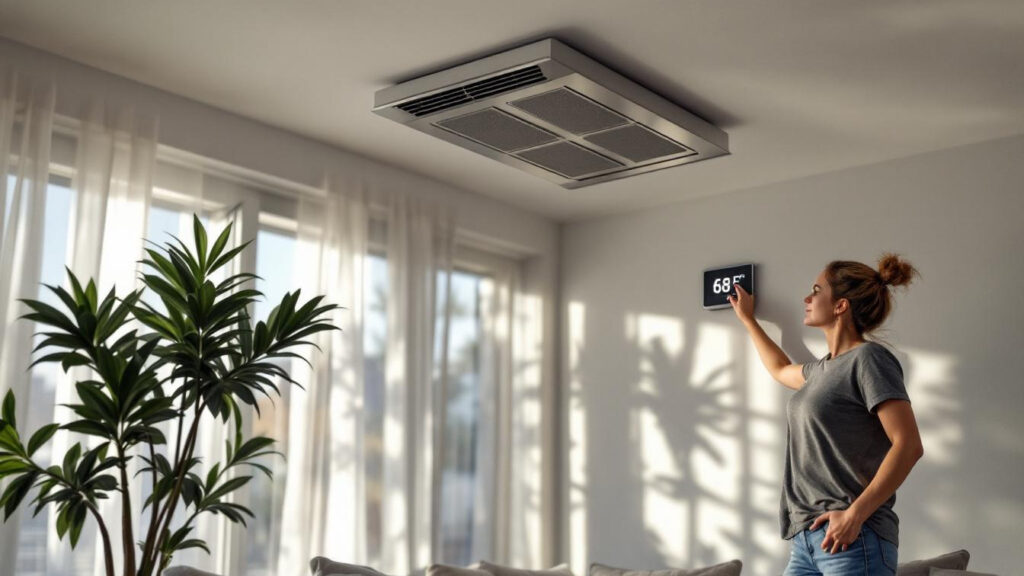

As winter chill sets in, many feel the discomfort of their homes staying cold even when the thermostat is set at a cozy 68°F. There are several factors at play that can make a house feel colder than it actually is, leading to frustration and higher energy bills. From airflow issues to hidden drafts, it’s essential to identify why the home temperature doesn’t match expectations. One crucial vent adjustment can address these cold feelings, and it all starts with understanding how airflow works within the heating system. Whether it’s ensuring vents are open or adjusting their direction, simple actions can make a remarkable difference in ensuring room comfort.
Understanding the Role of Airflow in Your Home
Airflow is central to the effectiveness of any heating system. If air isn’t circulating properly, it can lead to unwanted cold spots, making some areas of the house feel much colder than others. A common issue is blocked or closed vents, which restricts the warm air from evenly distributing throughout the living space. Regular inspection of each vent can ensure that warm air is reaching every corner of the home.
Adjusting Vents for Better Warmth Distribution
One simple yet effective vent adjustment is to ensure that all supply registers are open and unobstructed. Heavy furniture and drapes can block warm air, leading to inefficiencies. Call to mind that maintaining clear airflow not only helps in reaching the desired room temperature but also enhances energy efficiency. Some tips to achieve this include:
- Check for furniture blocking vents.
- Open all registers fully to maximize airflow.
- Consider the direction of the vents and adjust them to point towards the room’s center.
Identifying Common Problem Areas
While airflow issues are often the first culprits to investigate, other factors can exacerbate the cold feeling in your home. Drafty windows, poorly insulated flooring, and unsealed attics can significantly impact indoor warmth. According to the U.S. Department of Energy, up to 30% of heat loss can occur through windows alone, emphasizing the need for proper sealing and insulation.
Addressing Drafts and Insulation Issues
To combat the cold effectively, inspecting these common trouble spots is essential. Here’s what to focus on:
- Seal any gaps around windows and doors using weatherstripping.
- Inspect attics for insulation and consider adding more if necessary.
- Use plush rugs over hardwood floors to retain heat and improve comfort.
Maintaining Your HVAC System for Optimal Performance
A well-maintained heating system is crucial for achieving the ideal home temperature. Regular servicing can help preemptively identify issues before they become significant problems and ensure system components are functioning correctly. Changing filters, checking for leaks, and scheduling routine inspections can prolong the life of the HVAC system and maximize its efficiency.
Essential Maintenance Tips
Homeowners can follow these essential maintenance tips to keep the heating system in top shape:
- Change or clean the air filter every 1-3 months.
- Inspect your HVAC system for any leaks or required repairs.
- Schedule professional inspections biannually to catch any underlying problems early.
With these actionable insights, homeowners can better manage their home temperatures and create a cozy indoor environment, even when the outside temperatures drop. Making a simple vent adjustment might just be the solution needed to cut the chill at home this winter.