
As 2026 unfolds, a notable transformation in home design materials is taking center stage. With homeowners looking for alternatives that offer both style and sustainability, the focus is shifting from traditional surfaces like microcement and concrete. Emerging alternatives are capturing the attention of interior designers and homeowners alike, marking a significant change in how we approach durable coatings and decorative finishes. This shift not only reflects changing aesthetic preferences but also a broader awareness of sustainable materials in construction innovation.
Exploring the Shift from Microcement: What Comes Next?
The increasing demand for modern materials highlights the need for surface options that cater to both functionality and visual appeal. While microcement has held a strong position in contemporary interiors for its seamless finish and versatility, its higher maintenance costs and installation complexities have sparked curiosity about alternatives. These new materials promise easier applications, environmentally-friendly compositions, and an aesthetic that aligns with the evolving tastes of homeowners.
Why Are Homeowners Seeking Alternatives?
The search for material alternatives is driven by several key factors:
- Cost-effectiveness: Homeowners are increasingly aware that while microcement offers a beautiful finish, its upfront costs can be prohibitive. Renovation projects can benefit from simpler and more affordable options.
- Sustainability: With an eye on the environment, many are seeking sustainable materials that reduce their carbon footprint. The demand for eco-friendly building materials is reshaping the marketplace.
- Ease of Installation: Many new surface materials are designed to be user-friendly. Homeowners prefer options that can be applied quickly and efficiently, minimizing disruption during renovations.
Characteristics of the New Material Revolution
As the shift away from microcement gains momentum, several characteristics define the rising alternatives:
- Durability: The new materials are designed to withstand everyday wear and tear, proving to be resilient in both residential and commercial settings.
- Versatility: Just as microcement can be applied to various surfaces, emerging options boast similar adaptability, easily enhancing different interior surfaces.
- Customizability: Homeowners are looking for finishes that reflect their personal style; the new materials promise a range of colors and textures to choose from.
Visual Appeal Meets Practicality
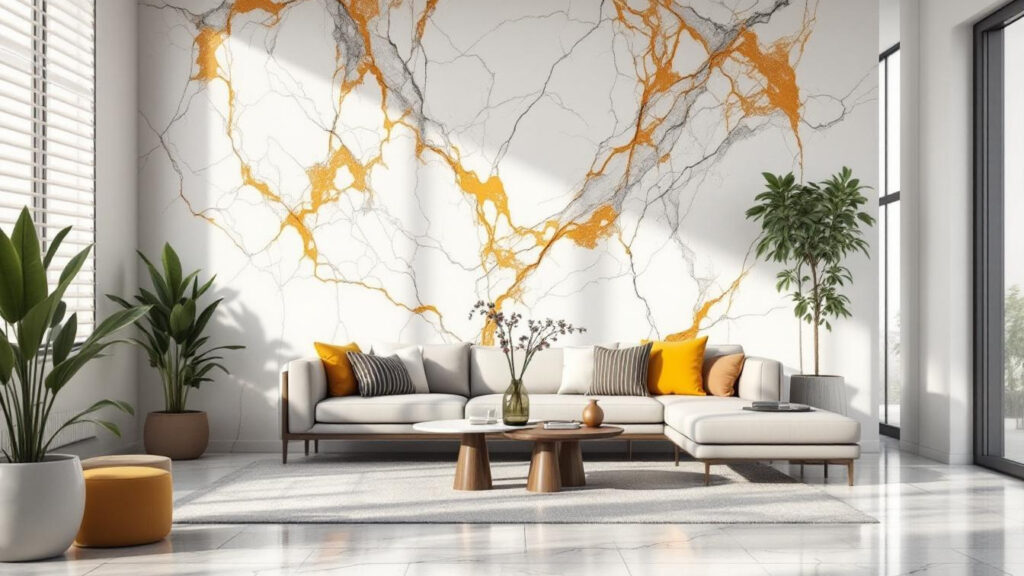
Today’s homeowners desire aesthetic appeal combined with practicality. The modern materials stepping into the spotlight not only address these preferences but also encourage innovative design. For example, surfaces that mimic the look of natural stones or textures without the associated weight or maintenance. Cultural influences and design trends continuously reshape our expectations of what our homes will look like, making it essential for the construction industry to keep pace.
The Future of Interior Design
The transition away from microcement to alternative materials reflects a deeper understanding of contemporary living needs. Home design is evolving, prioritizing not only beauty but also sustainability and ease of use. As this transformation progresses, one thing is clear: the next generation of home surfaces is poised to deliver both style and functionality, paving the way for innovative spaces that truly represent modern living.