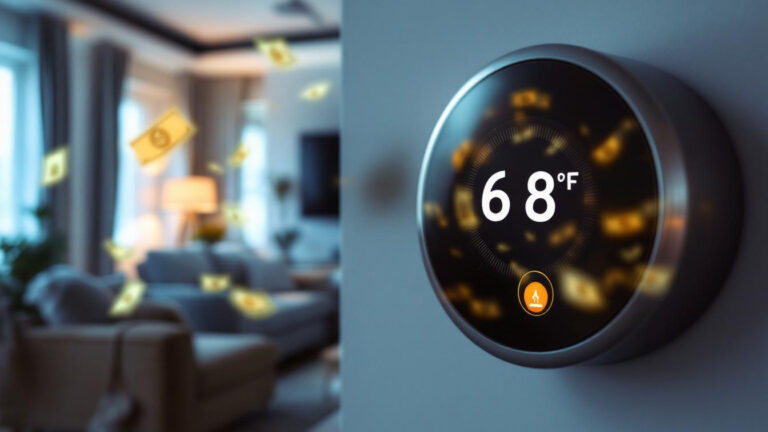
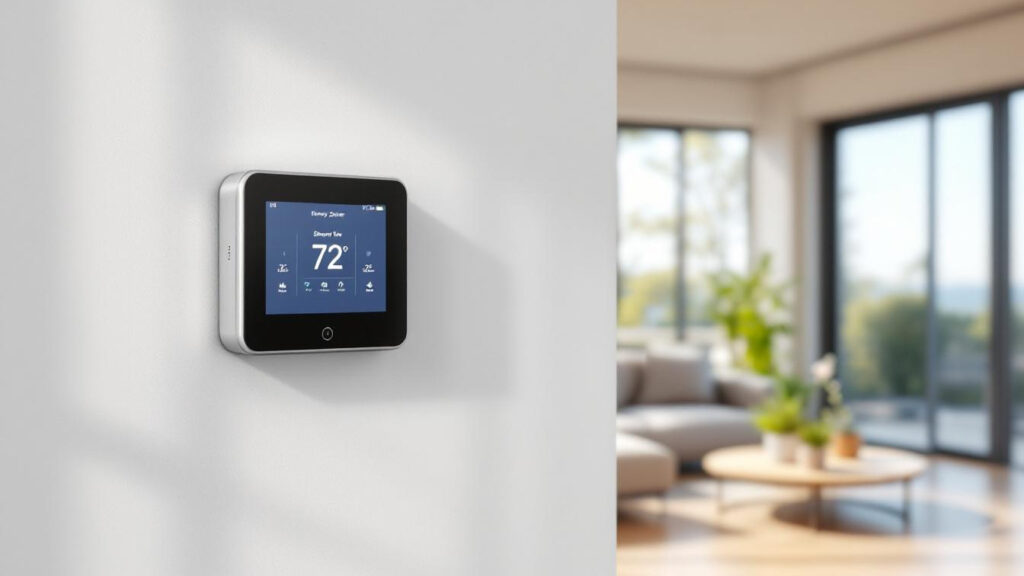

As winter settles in, many homeowners are facing soaring energy bills due to heating demands. However, HVAC engineers have identified a thermostat schedule that could dramatically reduce these costs—potentially by up to 50%. This isn’t just wishful thinking; it’s based on proven strategies that optimize your HVAC system’s performance while maintaining comfort. With the right settings and a bit of planning, significant savings are within reach.
Utilizing a smart thermostat can provide invaluable assistance. These devices learn from your behavior, adjust settings based on occupancy and weather forecasts, and can save you anywhere from 8% to 15% on heating costs alone. By programming your thermostat effectively, you can achieve both energy efficiency and cost reduction. With the right approach, keeping your home warm doesn’t have to come with exorbitant bills.
Understanding Your Thermostat Options
The first step toward significant energy savings is selecting the right thermostat. A smart thermostat is equipped to manage schedules based on your preferences and habits. You can set it to lower the temperature while you’re away and raise it just before you return home.
How Smart Thermostats Enhance Energy Savings
Smart thermostats employ various features to optimize climate control management:
- Scheduling: Create specific time blocks to adjust temperatures based on when you’re home or away.
- Occupancy Detection: Some models can sense when you’re home, further optimizing energy usage.
- Adaptive Recovery: This feature ensures your home reaches your set temperature by the time you arrive, without wasting energy.
- Weather Integration: Smart thermostats can access local weather data to make real-time adjustments.
Optimal Temperature Settings for Maximum Savings
Setting your thermostat to the ideal temperature can lead to substantial energy savings. Here are some recommended settings:
- Winter: Set your thermostat to 68°F while home and lower it to about 60°F when away.
- Summer: Keep your home at 78°F when you’re at home and increase to around 85°F when you’re away.
- Use modest setbacks: Adjust settings by 6°F to 8°F to further enhance savings without compromising comfort.
Maintaining Your HVAC System for Efficiency
To ensure that your thermostat settings translate into real energy savings, regular maintenance of your HVAC system is crucial. Simple steps include:
- Replace air filters regularly to maintain airflow and efficiency.
- Schedule professional inspections of your HVAC system at least once a year.
- Ensure your ductwork is sealed properly to avoid costly air leaks.
Unlocking Potential Savings Through Rebates and Incentives
When considering a smart thermostat, don’t overlook potential rebates or incentives offered by local utilities. Many providers offer financial incentives for upgrading to energy-efficient systems, making the switch more affordable. Research available programs to maximize your savings.
By adopting these strategies and settings, homeowners can enjoy a warm, comfortable winter while effectively managing their energy bills. With the right thermostat schedule, cutting your energy bills in half is not just a dream—it’s entirely achievable.