
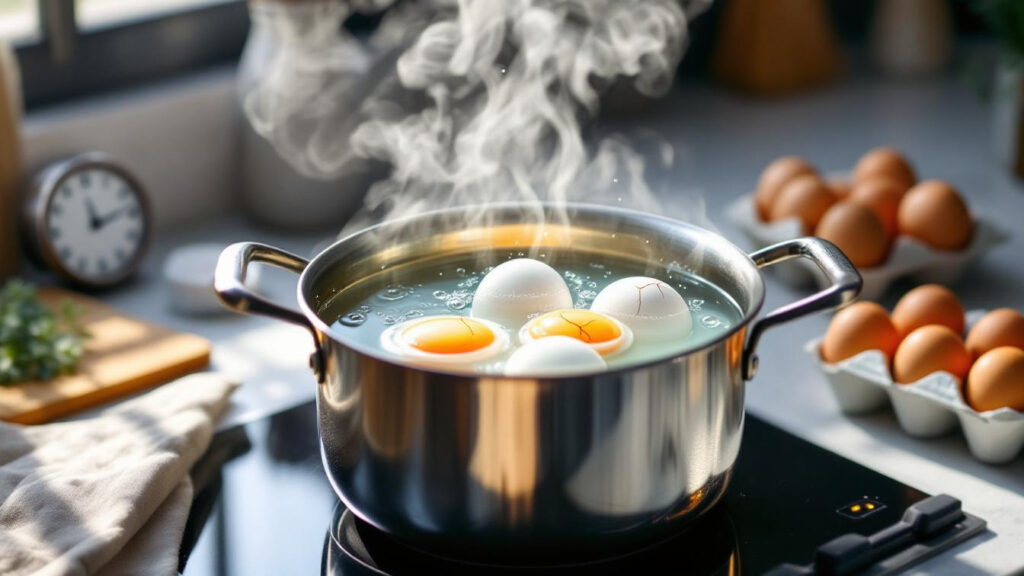

When it comes to cooking the perfect boiled eggs, few things are as frustrating as discovering cracks in the shells right after they’ve been placed in water. This commonly encountered issue can turn a simple culinary task into a source of stress, especially when preparing for gatherings or meal prep. At the heart of this problem lies the intricate science of temperature changes and the physical properties of the egg itself. Understanding why eggs crack when boiled, particularly when starting with cold water, can transform your boiling technique and help you achieve flawlessly smooth shells.
The crux of the issue is thermal shock. When cold eggs are plunged into hot water, the exterior of the shell heats up rapidly while the interior remains relatively cooler. This jarring temperature change leads to varying expansion rates between the egg shell and its contents, ultimately causing cracks. Furthermore, the air pocket at the wider end of the egg expands as the temperature rises. If this expansion exceeds the shell’s capacity to withstand it, the result is often a mess of whites spilling into the pot. To help minimize this issue, consider employing cooking tips that focus on gradually increasing temperature and handling eggs more gently.
Understanding the Mechanisms Behind Egg Cracking
Cracking during the boiling process is primarily attributed to the dynamic interactions of heat and pressure. When eggs are boiled, they are faced with rapid heat transfer and increased pressure from the expanding air cell. This combination can lead to breaks if not managed properly.
Here are some common causes that lead to egg cracking while boiling:
- Thermal Shock: The sudden change from cold to hot is perhaps the most significant factor. Starting with cold eggs as opposed to room temperature ones increases the risk of cracking.
- Air-Cell Pressure: The air pocket at the blunt end of the egg expands rapidly when heated, which can put pressure on weak spots in the shell.
- Handling Stress: If eggs are dropped roughly into boiling water or crowded together in a pot, existing hairline cracks can exacerbate the issue.
- High Boil Turbulence: A fierce rolling boil can jostle eggs, leading to collisions that cause cracks.
- Shell Thickness: Some eggs simply come with thinner shells, making them more susceptible to damage under heat.
Cooking Techniques to Prevent Egg Cracks
Implementing specific cooking techniques can significantly reduce the chances of cracking. Consider these practical methods:
- Cold-Start Simmer: Place eggs in a pot with cold water and gradually bring it to a simmer before cooking for 9–12 minutes. This gentle approach minimizes thermal shock.
- Hot-Start Steam: Using a steamer basket over simmering water helps prevent eggs from banging against one another, causing less stress on their shells.
- Gentle Lowering: Always lower eggs into boiling water gently, avoiding rapid temperature changes that could lead to cracking.
- Needle Prick Trick: Pricking the blunt end can help vent the expanding air pocket, reducing internal pressure.
- Maintaining a Steady Simmer: After reaching a boil, immediately reduce the heat to maintain a gentle simmer, preventing turbulence that can cause collisions.
Egg Freshness and Its Impact on Cracking
The age and freshness of your eggs can play a role in their cracking experience during boiling. Fresh eggs often come with tighter whites that cling to the shell, raising the likelihood of cracks. Aging eggs for about a week or two can yield better results, as they will peel more easily and be less likely to crack.
To ensure optimal results, consider these storage and preparation tips:
- Room Temperature: Allow eggs to sit at room temperature for a while before boiling to reduce temperature shock.
- Storage Position: Store eggs blunt end up to keep the air cell intact and reduce moisture loss.
- Check for Damage: Always inspect eggs for existing cracks before boiling, as even minor imperfections can easily worsen under heat.
Conclusion: Mastering the Science of Boiling Eggs
To consistently achieve perfectly boiled eggs, understanding the mechanics of temperature change and heat transfer is essential. By focusing on gentle handling, temperature management, and utilizing the right boiling techniques, the problem of cracking can be greatly diminished. This not only improves the aesthetic quality but also enhances the overall texture of the eggs, making them ideal for dishes like the classic deviled egg. With these insights in hand, your egg boiling adventures can transform from a source of frustration into a seamless cooking experience.