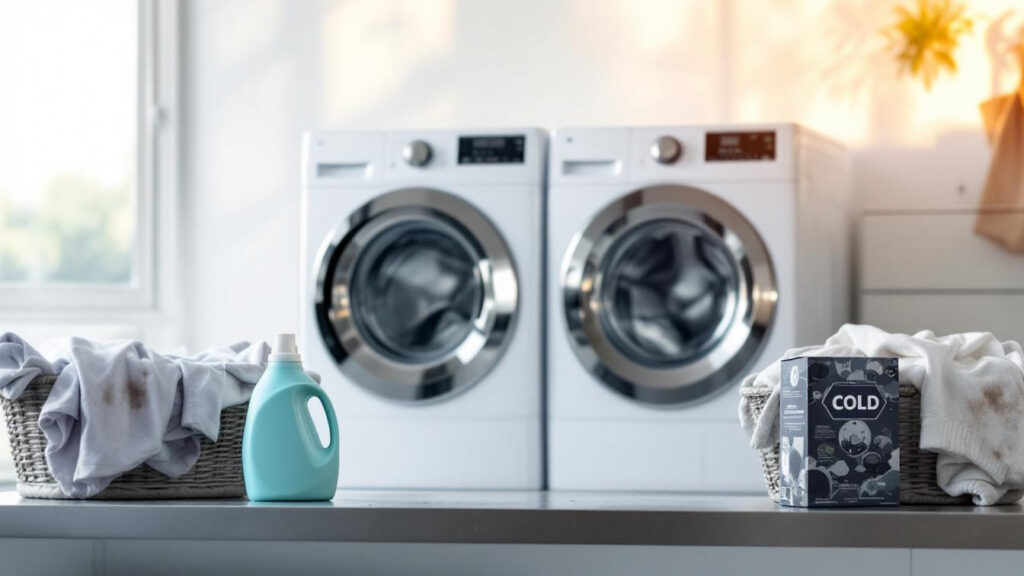

Deciding on the best temperature for laundry can often feel overwhelming, especially when it comes to removing stains. Many people instinctively reach for hot water, but contrary to popular belief, cold water can be surprisingly effective for certain types of stains. Understanding how temperature interacts with fabric care and stain removal can save clothes from fading or shrinking while also enhancing washing efficiency.
In 2026, as environmental concerns rise, the shift towards sustainable laundry practices is more critical than ever. Utilizing cold water not only conserves energy but also prolongs the life of garments, making it a practical choice for everyday laundry. This guide delves into when to utilize cold water versus hot water, helping you make informed decisions about your laundry format, effectively managing fabrics, and maintaining their quality.
Understanding Cold Water Cleaning
Cold water cleaning operates between 60°F and 80°F (15°C to 27°C), making it gentle on fabrics while preserving color and material integrity. It offers numerous advantages, including:
- Preventing Shrinking: Cold water helps keep clothes from shrinking and maintains their original fit.
- Preserving Color: Protects dark or vibrant colors from fading over time.
- Energy Efficiency: Can save up to 75% in electricity, making it a more sustainable choice.
- Reducing Stain Setting: Helps avoid the risk of stains bonding with fabric fibers.
- Better for Delicates: Ideal for washing silk, lace, and other delicate materials without damage.
Best Practices for Cold Water Laundry
Modern detergents are formulated to work effectively in cold water, making them a viable option for most laundry loads. However, some stains need specific treatment:
- Protein-based Stains: Blood and sweat should be rinsed in cold water as hot water can rigidify these proteins.
- Food and Beverage Stains: Items like red wine, coffee, and grass respond well to cold water cleaning.
- Inked Fabrics: Rinse ink stains with cold water to prevent further spreading before laundering.
Consider employing appropriate pre-treatment methods, such as using a gentle dish soap for initial stain removal.
When to Choose Hot Water
Hot water, typically starting at 130°F (54°C), is powerful in removing heavy soils and disinfecting items. It’s best reserved for:
- Bedding and Towels: High temperatures eliminate germs and odors effectively.
- White Fabrics: Maintaining brightness in whites often requires hot water.
- Heavily Greased Clothing: Oil stains from foods or mechanics are best treated with warm or hot water.
Connecting Water Temperature to Stain Type
Matching the fabric and stain type to the right water temperature is crucial:
- Cold Water: Best for blood, coffee, grass, and ink stains.
- Warm to Hot Water: Recommended for oily, greasy, or stubborn dirt stains.
For mixed laundry, a good rule of thumb is to start with cold water for clothes while reserving hot water for towels and heavily soiled items. This method not only maintains fabric quality but also boosts washing efficiency.
The Case for Stain Removal Techniques
For optimal results in stain removal, consider these techniques:
- Immediate Action: Address stains as soon as possible to prevent them from setting.
- Test Fabrics: Always check care labels before washing to prevent damage.
- Cold First, Hot Second: For certain stains like tomato or sweat, treat with cold water first, then follow up with warm or hot water.
These practices not only enhance stain removal but also support fabric longevity. By understanding the best practices for your laundry format, you’ll simplify the washing process and protect your clothing investment for years to come.