
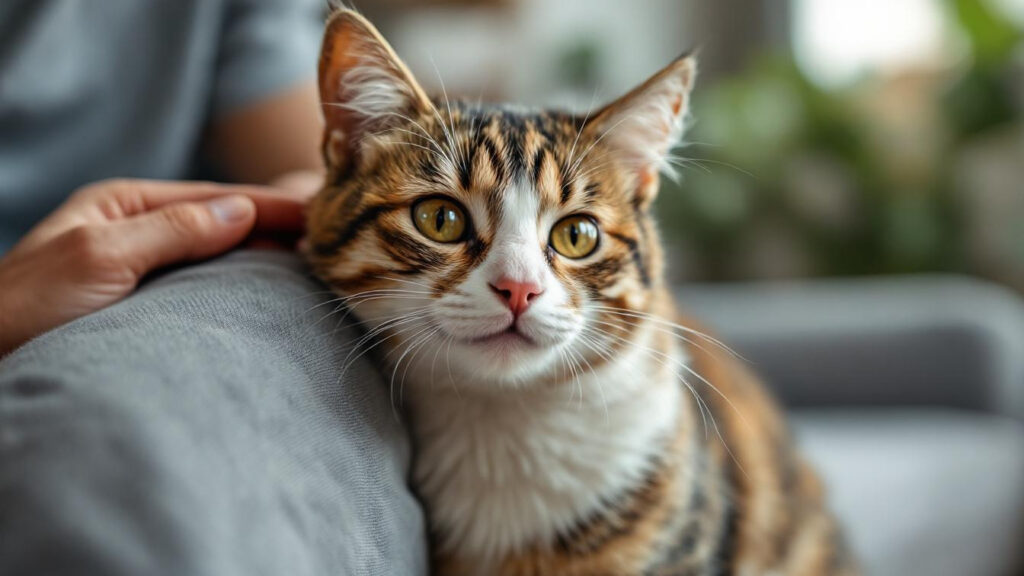

When a cat approaches and starts rubbing its head against you, it might seem like a simple gesture of affection. However, this behavior reveals much more about feline communication than most pet owners realize. Understanding the nuances of head rubbing can deepen the bond with your furry friend. This action, often interpreted as love, serves multiple purposes, from marking territory to imparting a sense of security.
Cats possess scent glands located on their heads, cheeks, and chin, making head rubbing a powerful method of communication. By engaging in this behavior, they leave their scent on you, effectively treating you as part of their territory. A cat may also rub against its owner to indicate comfort and trust, creating a sense of connection that reinforces their relationship. This act is one of the many fascinating examples of how cat behavior is layered and complex.
Understanding the Importance of Head Rubbing in Cats
Head rubbing, or “bunting,” is more than just affection. It plays a critical role in a cat’s emotional and social interactions. Here are several surprising insights into this intriguing behavior:
- Marking Territory: Cats deposit pheromones while rubbing their heads, claiming their space and the people they love.
- Seeking Affection: Rubbing against you signals that your cat enjoys your company and craves social interaction.
- Stress Relief: Engaging in this behavior can help reduce anxiety for cats, contributing to their overall well-being.
- Bonding: Frequent head rubbing fosters a stronger bond between you and your cat, reinforcing trust.
Behavioral Context: When Head Rubbing Signals Something More
While head rubbing is a loving action, it can also serve other purposes depending on the context. For instance, when a cat meets a new person or animal, it may rub its head to gather information about their scent, a form of social intelligence. This interaction not only demonstrates communication but also reveals how cats navigate their environment.
Understanding when head rubbing is appropriate can enhance pet interaction. If your cat is rubbing its head firmly against you, it often reflects a deep sense of security and affection. On the other hand, if the behavior seems excessive, it could be indicative of underlying anxiety or stress, prompting a closer look at the environment or emotional state of your cat.
What You Can Do to Respond to Head Rubbing
To foster a positive interaction when your cat exhibits head rubbing, consider these practical tips:
- Engage with gentle petting: Responding with affection encourages more bonding.
- Provide a safe environment: Ensure your home is stress-free to promote healthy behaviors.
- Monitor body language: Pay attention to signs of discomfort or anxiety during interactions.
- Encourage positive reinforcement: Reward affectionate behaviors with treats or praise to strengthen the bond.